Index
What exactly is a "road rest area"?
A road rest area is a dedicated space alongside major roads, designed to give drivers a safe and comfortable place to pull over. Unlike petrol stations or conventional car parks, which focus primarily on refuelling or parking, rest areas centre on driver wellbeing, offering additional services that make the break a more pleasant one.
Why are rest areas important for drivers?
Fatigue behind the wheel is a silent enemy that lurks on every long journey. A tired driver loses concentration, reaction times slow down, and the risk of an accident rises. Rest areas are the best defence against fatigue: those pockets of calm where you can recharge, stretch your legs, stay hydrated and get back on the road as safely as possible. Their importance is even greater on commercial routes, where drivers spend long hours at the wheel. A proper rest not only improves safety, it also optimises driver performance.

Services typically offered at rest areas
On a long road trip, rest areas are far more than just a technical stop. What do you actually need during a break on your journey? Rest areas offer a wide range of services to make your stop more enjoyable. From spacious car parks for cars, lorries, buses and motorhomes, to seating areas with tables, benches and green spaces where you can enjoy a picnic or simply relax outdoors. Let's take a closer look:
Common facilities
Toilets, accessible bathrooms, drinking water fountains and bins are the basic services you'll find at most rest areas. Many also offer free Wi-Fi, so you can stay connected, plan your route or simply enjoy a few minutes of online downtime.
Additional amenities
If you're looking for more than just a quick stop, many rest areas offer a well-rounded experience, with extra facilities that make the break genuinely enjoyable. Restaurants, cafés and convenience stores allow you to refuel with a varied menu, enjoy a freshly brewed coffee or stock up on snacks and drinks for the road ahead.
If you're travelling with children, play areas are a real bonus, giving the little ones a chance to burn off some energy while you take a moment to rest. For added convenience, some areas also feature showers, motorhome service points and dedicated pet zones, where your four-legged companion can stretch their legs and enjoy a well-deserved break of their own.

Where are road rest areas located?
In Spain, rest areas are strategically positioned along the road network, striking a balance between accessibility and safety. They are typically found on motorways, dual carriageways and main roads, and their distribution is designed to provide drivers with convenient and safe stopping points at regular intervals.
Unlike some other European countries, where rest areas tend to follow a more standardised model, in Spain they are often combined with establishments that serve both travellers and local residents. This can affect the range of services on offer and the overall experience each area provides.
Road Act 37/2015, of 29 September, makes reference to rest areas as part of the road infrastructure, although the specific regulations governing their use and location may vary by region.
How do you know if a rest area is nearby?
Finding a rest area is straightforward. Traffic signs will indicate how close you are, using vertical sign S-81 (a blue background depicting a rest area with a tree). You can also use mobile navigation apps or online maps that show their exact locations. These tools allow you to plan your route in advance, including rest area stops, and provide additional information about the facilities available at each one.
Tips for making the most of rest areas
Rest areas are your allies on the road, but knowing how to use them wisely can make all the difference between a smooth journey and a stressful one. Here are a few tips to help you get the most out of them:
- Plan ahead: Before you set off, identify the rest areas along your route. That way, you'll know when to take your next break and won't be left wondering where the next stop might be.
- Rest properly: Stop every two hours, stretch your legs, drink some water and clear your head. If needed, take a short nap. Each break should ideally last at least 15 minutes.
- Stay safe: Park in well-lit areas, lock your car and don't leave valuables in plain sight.
Types of road rest area
As touched on at the outset, rest areas come in different shapes and sizes, ranging from the most basic, with parking and toilets, to the most fully equipped, with a wide range of services.
Basic areas
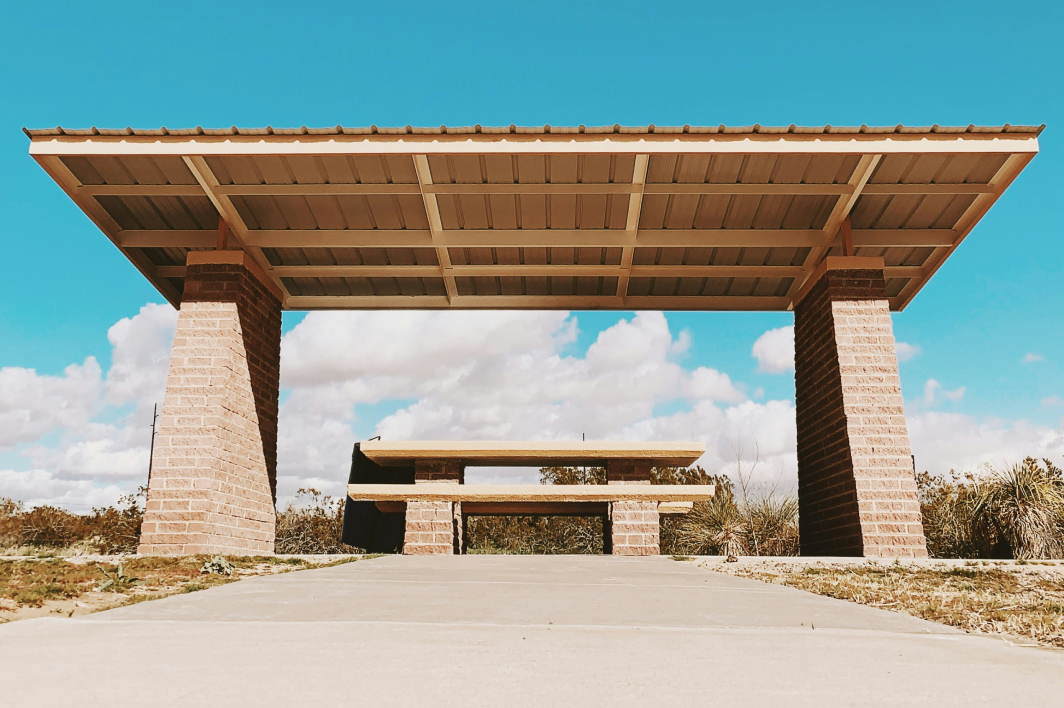
These offer essential services such as parking, toilets and, in some cases, picnic tables. They're ideal for a quick stop and a short rest.
Areas with additional services
These include petrol stations, restaurants, shops, hotels and other amenities for greater comfort. They're perfect for longer journeys or whenever you need to properly recharge.
Rest areas for electric vehicles
A growing number of rest areas now include charging stations and plug-in points for electric vehicles, making long-distance travel in an electric car much easier and driving the shift towards electric mobility forward.
Ultimately, road rest areas are essential for efficient, safe and enjoyable driving. Plan your trips, make the most of what they offer, and enjoy every kilometre.
Finde out more
For more detailed information on the regulations and legislation relating to rest areas, visit this document on Road Act 37/2015, of 29 September: https://www.boe.es/buscar/pdf/2015/BOE-A-2015-10439-consolidado.pdf.