Index
Where and when will it be visible in Spain?
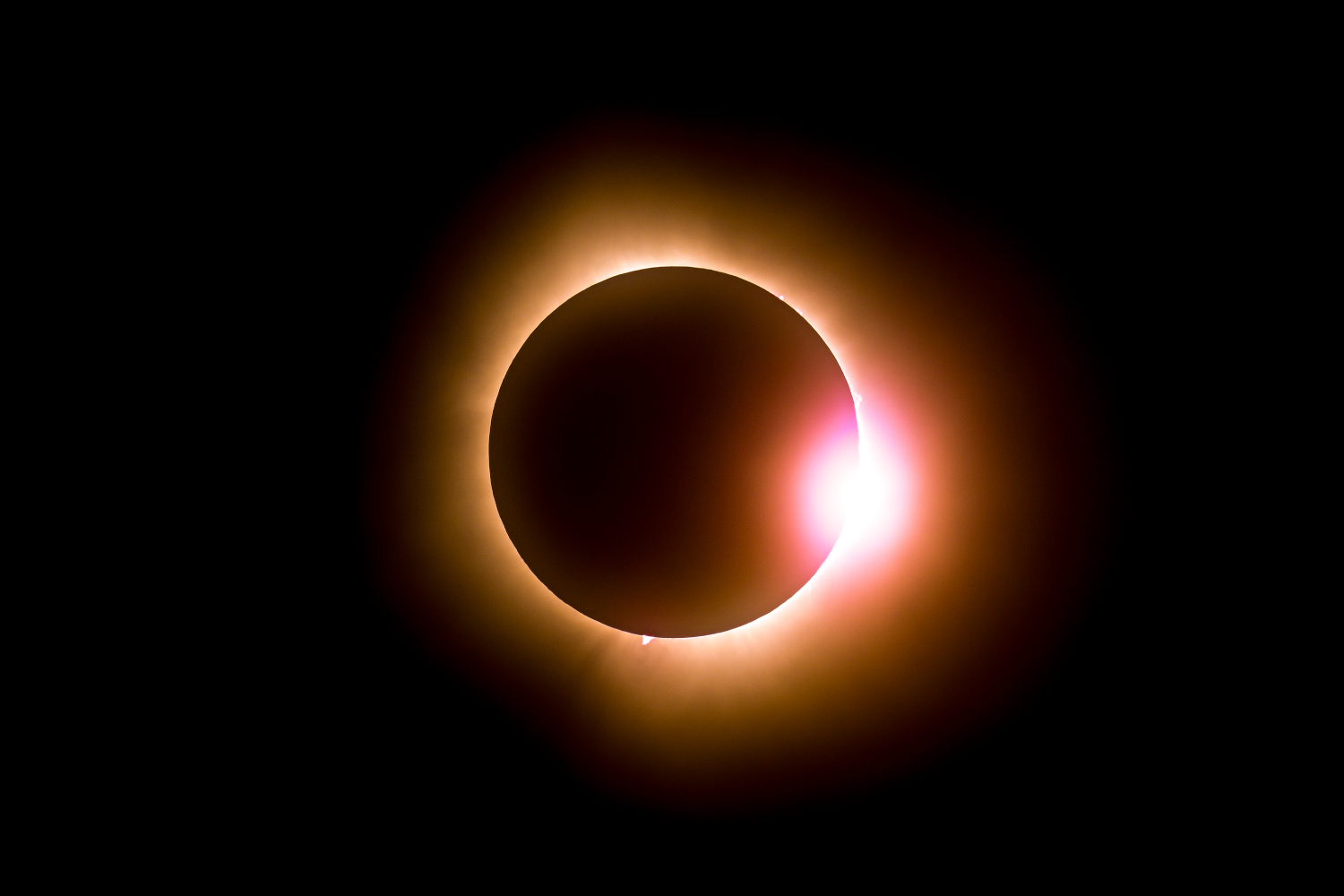
The total solar eclipse on 12 August 2026 will be fully visible along a band crossing the north of Spain. The provinces of A Coruña, Lugo, Asturias, León, Palencia, Burgos, Zaragoza, Teruel, Castellón, Valencia and the Balearic Islands fall within the zone of maximum visibility, where the Sun will be completely obscured by the Moon for several minutes.
The peak of the eclipse will occur at approximately 20:00 to 20:30 (depending on your exact location), with totality lasting between 2 and 4 minutes depending on the area. The rest of the peninsula will experience a partial eclipse, though the effect will be far less dramatic than in the totality band.
Get your car ready: a full pre-trip check
Before setting off on any long journey, especially one that may involve large crowds and potential traffic jams, it's essential to make sure your vehicle is in perfect condition.
The mechanical checklist: what you can't afford to skip
A thorough mechanical check can save you a great deal of trouble on the road. Pay particular attention to:
- Tyres: Check the pressure and tread depth. Worn tyres are a safety hazard, especially if you encounter rain.
- Brakes: Make sure they're working properly. Heavy traffic demands that your braking system is in top condition.
- Lights: Both dipped and full beam headlights need to be fully functional. During the eclipse, the sudden onset of darkness will make lighting absolutely essential.
- Fluid levels: Oil, coolant, brake fluid and screen wash. Don't overlook any of them.
- Battery: Especially important if you drive an electric or hybrid vehicle.
Fuel or charge: calculate what you need
Planning your fuel consumption is key to avoiding any unwelcome surprises. Calculate the total distance of your trip (there and back) and add a 20% buffer for detours or slow-moving traffic. If you drive an electric vehicle, it's even more important to plan your charging stops in advance. Identify the fast-charging points along your route and bear in mind that demand will be high that day, so it's wise to arrive at each stop with a comfortable range to spare.
Emergency kit for long journeys
Don't leave home without a basic emergency kit that includes:
- A reflective vest and V16 warning light.
- A torch with spare batteries.
- A first aid kit.
- Jump leads.
- Water and energy snacks.
- A thermal blanket.
- Basic tools and a spare tyre in good condition.
Recommended routes from the main cities
From Madrid: heading to the totality zone
If you're travelling from Madrid, your best bet is to head towards Burgos or Palencia. The most direct route is via the A-1 to Burgos (around 240 km, approximately two and a half hours without traffic). Another option is to take the A-6 and then the A-231 towards Palencia. Set off early to avoid congestion and make sure to stop at one of the service stations along the way.
From Barcelona: heading to the totality zone
From Barcelona, the most accessible totality zones are Zaragoza and Teruel. Via the AP-2, you can reach Zaragoza in around 3 hours (approximately 300 km). If you prefer a quieter, more rural experience, Teruel is an excellent choice: take the A-2 and then the N-234. The scenery is well worth it, and there are ideal spots to park up and enjoy the eclipse in comfort.
From Valencia: the closest option for a front-row view
Valencia itself falls within the totality band, particularly the northern part of the province. You won't need to travel far: towns such as Castellón de la Plana will sit right in the prime viewing zone. If you'd rather leave the city, head inland towards Castellón or to higher ground with unobstructed views, such as the Sierra de Espadán.
What to pack for your eclipse trip
On top of your emergency kit, don't forget:
- Certified eclipse glasses for the whole family. Regular sunglasses won't cut it: you need certified glasses with ISO 12312-2 accreditation, which filter out 99.999% of sunlight. Make sure the certification mark is clearly visible and that the lenses are in good condition, no scratches. Bring a pair for everyone and pack a few spares. One essential rule: never look directly at the sun, not even through your phone camera.
- Sun protection and a cap.
- A warm layer (August nights in inland Spain can be cool).
- A camera or fully charged phone to capture the moment.
- Enough food and drink, especially if you're planning to be in rural areas.
And if you forget something at the last minute, don't worry. Moeve Service Stations have well-stocked shops where you'll find everything from food and drinks to everyday essentials. Perfect for that final stop before you reach your destination.
Road safety tips for driving on eclipse day
Road safety is always a priority, and even more so during an exceptional event that can cause distractions and unusual driving conditions.
What to do if you're behind the wheel during the eclipse
Ideally, avoid driving during the minutes of totality. If you find yourself on the road at that point, pull into a safe rest area or designated car park and stop. Driving in sudden, complete darkness is dangerous, even with your headlights on.
Reduced visibility: how to respond
If stopping isn't an option, slow down, switch on your dipped headlights and increase your following distance beyond what you'd normally keep. The darkness can disorient other drivers, raising the risk of sudden braking or unexpected manoeuvres.
Where you must not stop
Never pull over on:
- Motorway or dual carriageway hard shoulders.
- Live traffic lanes.
- Bends or areas with limited visibility.
- Road junctions or slip roads.
Always look for designated rest areas, viewpoints or safe car parks.
Moeve services for your journey: your road companion
Moeve is your ideal partner for this kind of trip. Our service stations are strategically located so you'll never run low on fuel or power:
- Find service stations along your route: Use our app or website to plan your refuelling stops.
- Locate ultra-fast charging points for electric vehicles: A growing number of Moeve stations are equipped with fast chargers, so your journey can be fully sustainable.
- Rest and recharge: Many of our stations have cafés and rest areas. Take the opportunity to stretch your legs and grab a coffee before pressing on.
If you'd like to find out more about optimising fuel consumption on the road or discover tips for travelling efficiently, we recommend reading our articles on eco-driving and planning long-distance routes.
The return journey: go home as prepared as you arrived
The eclipse will be over, but the journey won't be. The return trip can actually be trickier than the outward leg, as millions of people will be heading home at the same time.
- Avoid the peak return hours. If you can, wait a couple of hours before setting off back. Take the opportunity to have dinner in the area or soak up the atmosphere a little longer.
- Do one final top-up before you leave. Make sure you have enough fuel or battery charge to get home without any problems.
- Share your eclipse experience. Social media will be flooded with photos and videos. But remember: never use your phone while driving.
Frequently asked questions about the eclipse and your trip
How long does the total eclipse last?
As mentioned, the totality phase will last between 2 and 4 minutes depending on your exact position within the band. However, the entire event (from the start of the partial eclipse to its end) can last well over 2 hours.
Is it safe to travel with children?
Absolutely, as long as you plan the trip well. Bring entertainment for the journey, make frequent stops and make sure the little ones have certified eclipse glasses too. It's a unique educational experience they'll remember for the rest of their lives.
Will there be more traffic than usual?
Without a doubt. Millions of people are expected to travel towards the totality zone. That's why it's vital to set off early, be patient and have alternative route options ready.
Should I stock up on fuel, or will there be enough?
There's no need to "reserve" fuel, but it is advisable to fill up before reaching the busiest areas. Service stations in rural locations may see higher demand on the day. With Moeve, you can count on finding well-supplied stations all along your route.