Index
What are EV charging stations?
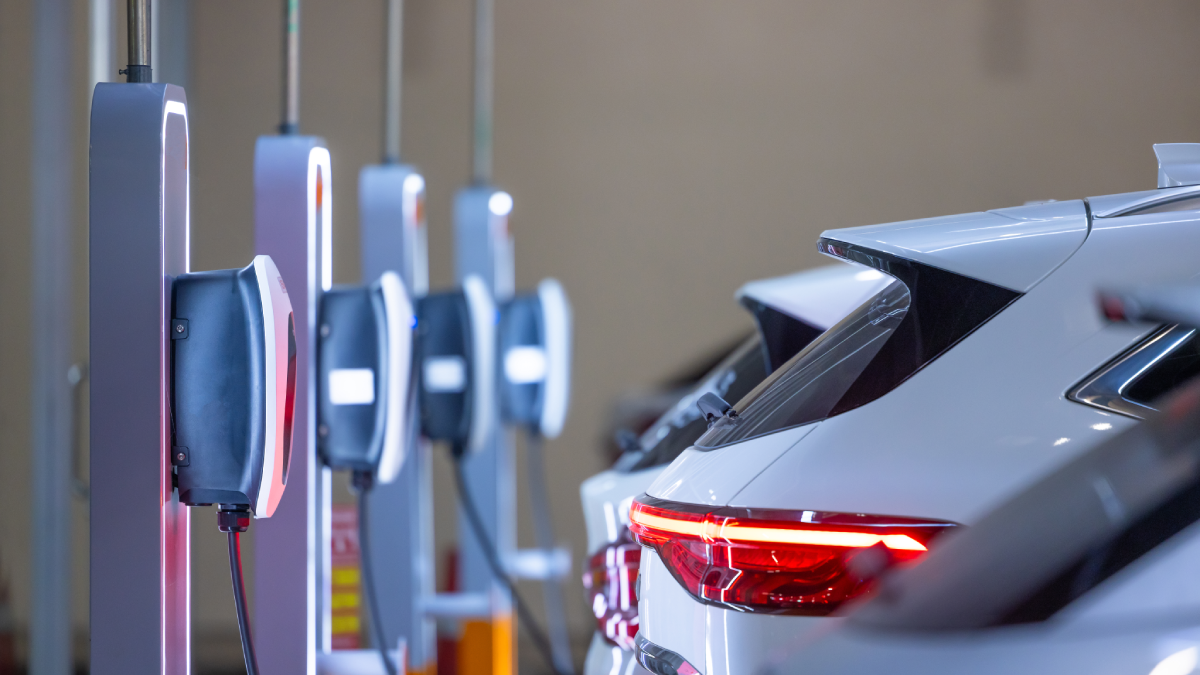
Much like traditional petrol stations, EV charging stations are service points where you can recharge the battery of your electric or plug-in hybrid vehicle — often alongside other amenities such as rest areas, toilets and a café. Instead of petrol or diesel pumps, you'll find a range of connection points with different charging capacities.

How do they work?
The process is straightforward: you connect your vehicle to the charging station using a specific cable and connector, the system checks compatibility, and charging begins. Rather than paying per litre, you pay per kWh consumed.
The charging process
- Connection: Connect your vehicle to the station using a cable and the appropriate connector — as simple as plugging in a household appliance.
- Communication: The charging station and the vehicle "talk" to each other to verify compatibility and determine the charging power.
- Power delivery: The station supplies electrical energy to the vehicle in a safe and controlled manner.
- Completion: Once charging is complete, simply disconnect your vehicle and you're ready to continue your journey.
Find out more about the Moeve charging process in detail.
Components of an EV charging station
- Connection point: The physical interface where the vehicle connects to the charging station.
- Control system: Manages communication between the vehicle and the station, overseeing charging power and safety protocols.
- Transformer: Converts the electrical current from the grid to the appropriate voltage and frequency for vehicle charging.
- Electrical protection systems: Ensure safety throughout the charging process, protecting both the vehicle and the installation.
Safety and maintenance
EV charging stations are designed to be safe and reliable. They incorporate protection systems against overloads, short circuits and other electrical hazards. Regular maintenance is also essential to keep them in good working order and ready to use at all times. That said, occasional issues can arise when charging, so it's always worth staying informed about your vehicle's needs and knowing what to look out for.
Types of EV charging stations
Charging power determines the type of station and has a direct impact on how long it takes to recharge an electric vehicle. It's worth noting that charging times are approximate and can vary depending on the vehicle model and battery temperature.
There are four types of electric charging based on power output, though two are by far the most common at public charging stations:
- Fast chargers: Typically found at motorway service areas, these stations offer power outputs between 50 kW and 150 kW, and can charge a battery from 20% to 80% in just 20–30 minutes.
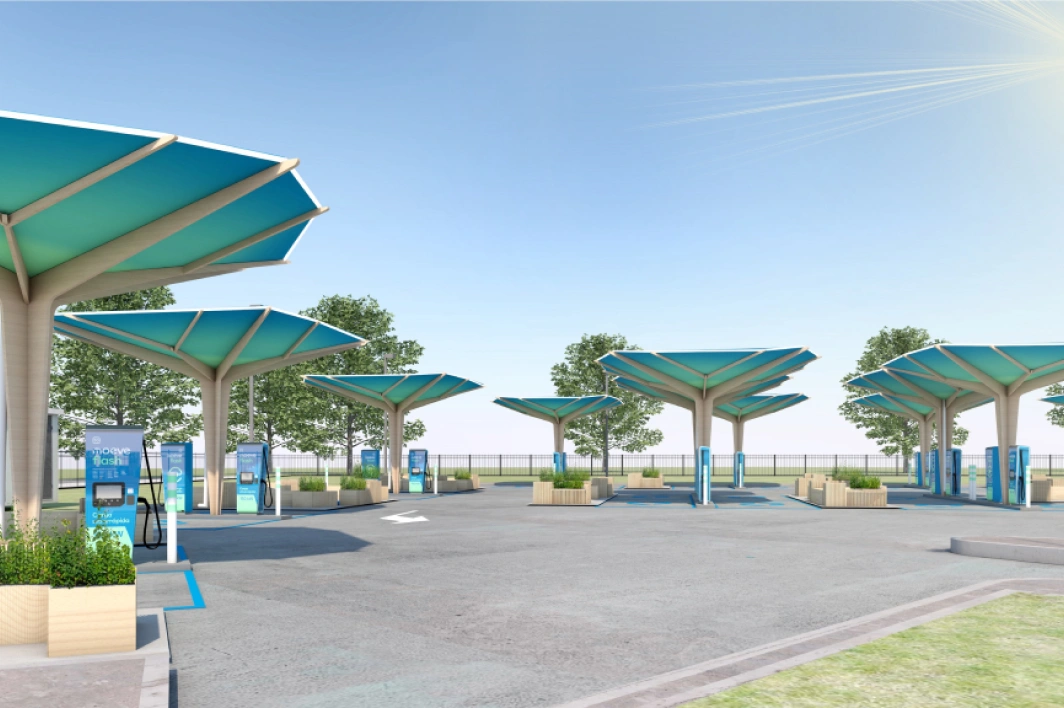
- Ultra-fast chargers: The go-to option for long journeys, with outputs exceeding 150 kW — frequently reaching 350 kW or more. These stations can take a battery from 20% to 80% in as little as 15–20 minutes, and sometimes even less.
At Moeve, we are building the largest electric mobility ecosystem on the Iberian Peninsula, with ultra-fast chargers installed at our Service Stations.
How to choose the right charging station
Choosing the right option is easier than it sounds, as long as you keep a few key factors in mind:
- Vehicle type: Not all electric vehicles are compatible with every type of charger. Check your vehicle's manual to find out which charging option suits it best.
- Usage needs: How often you drive and your vehicle's range will determine the charging power you need. Are you mostly making short urban trips — in which case a slow or semi-fast charger may be sufficient — or are you embarking on a long journey that calls for fast or ultra-fast charging?
- Budget: Installation costs and electricity prices vary depending on the type of charger.