Index
What are LFP, NMC and solid-state batteries?
Before getting into the technical details, it helps to understand what each acronym actually stands for.
LFP batteries (Lithium Iron Phosphate)
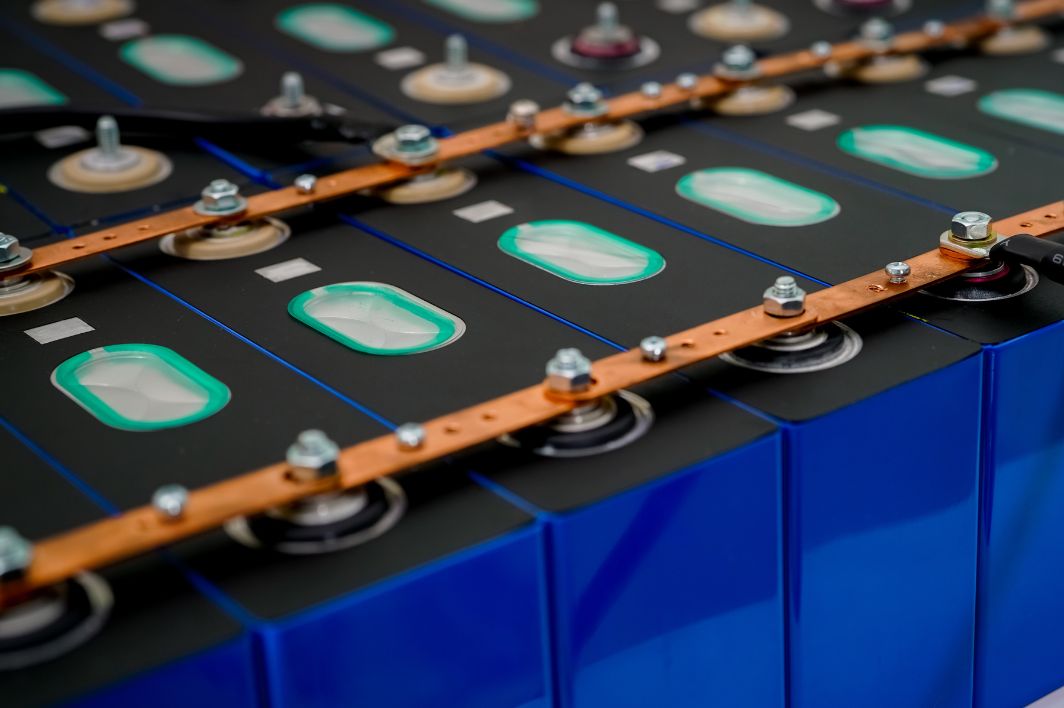
LFP batteries use lithium iron phosphate as their cathode material. They are known for their chemical stability and long service life. While they have historically offered lower energy density than other chemistries, technological advances are steadily closing that gap.
Their main advantage is safety: they are far more thermally stable, which dramatically reduces the risk of overheating or fire. They also handle regular full charges to 100% very well, something that is not recommended with other battery technologies.
NMC batteries (Nickel Manganese Cobalt)
NMC batteries combine nickel, manganese and cobalt in their cathode. This chemistry delivers high energy density, which translates into greater range for the same battery weight. That is why NMC is the go-to choice for premium vehicles and models designed for long-distance travel.
However, these batteries require more sophisticated thermal management systems and degrade more quickly if not properly cared for. To extend their lifespan, it is advisable to keep the charge level between 20% and 80%.
Solid-state batteries
Solid-state batteries represent the future of electric mobility. They replace the liquid electrolyte found in conventional batteries with a solid one, which allows for higher energy density, improved safety and faster charging times.
Although they are still in the industrial development phase, manufacturers such as Toyota and Nissan have already announced their first models for 2027 to 2028. In the meantime, China is leading the standardisation of this technology, with regulations expected to come into force in July 2026.

Range: which one goes furthest?
Range is one of the most important factors when choosing an electric car, and it is here that the differences between technologies become most apparent.
NMC batteries: the range champions
- Capable of delivering over 500 km of range in many models.
- Premium vehicles can exceed 600 km.
- Ideal if you frequently take long trips or need to cover large distances without stopping to recharge.
LFP batteries: balancing range and price
- Have improved significantly in recent years.
- Offer competitive range in the 400 to 500 km bracket.
- More than sufficient for urban and inter-city use.
Solid-state batteries: a promising horizon
- Toyota has announced projected ranges of between 1,200 and 1,500 km.
- A leap forward that could completely change the game.
Degradation and lifespan: how long do they really last?
Battery degradation is one of the biggest concerns for electric vehicle drivers. Nobody wants their investment to lose capacity too soon.
This is where LFP batteries truly shine. They offer between 2,500 and 9,000 charge cycles, translating into a lifespan of more than 10 years in many cases. What's more, they barely degrade even when regularly charged to 100%, making them the ideal choice for drivers who want a hassle-free ownership experience.
NMC batteries, by contrast, typically offer between 1,000 and 3,000 cycles. To extend their lifespan, it is best to avoid frequent full charges and keep the battery within that sweet spot of 20% to 80%. With proper care, they can last between 8 and 10 years.
As for solid-state batteries, real-world lifespan data is still limited, but estimates point to greater longevity than current technologies, thanks to their more stable structure and reduced formation of lithium dendrites, one of the main causes of battery degradation.
Fast charging: how quickly can you get back on the road?
Charging time is another decisive factor. There is a world of difference between a 15-minute stop and an hour at a fast or ultra-fast charging point.
NMC batteries: superior charging speed
- Compatible with very high charging power levels.
- Can recover from 10% to 80% in under 30 minutes in many cases.
- Ideal for long journeys where every minute at a charging stop counts.
LFP batteries: catching up fast
- Traditionally slower when it comes to rapid charging.
- New high-voltage architectures (800V) are rapidly narrowing that gap.
Solid-state batteries: a paradigm shift
- Toyota promises charging from 10% to 80% in just 10 minutes.
- Times comparable to filling up with a conventional fuel.
Safety and cold-weather performance: two key factors
Beyond range and charging, there are two aspects that directly affect your peace of mind and day-to-day experience.
Safety
LFP batteries:
- The safest option currently on the market.
- Highly stable chemistry with virtually no risk of fire.
- Resistant to extreme conditions.
NMC batteries:
- More sensitive to overheating.
- Require more complex cooling systems.
- Manufacturers apply multiple layers of protection.
Solid-state batteries:
- By eliminating the flammable liquid electrolyte, they are set to become the safest option of the future.
Cold-weather performance
If you live somewhere with cold winters, this is worth knowing: NMC batteries perform better at low temperatures. They better retain their regenerative capacity and thermal efficiency.
LFP batteries tend to lose heat more quickly and can consume more energy on short trips in cold weather. That said, once they warm up, their performance is very consistent.

Price: which is the most affordable?
Cost is a decisive factor, especially if you are considering buying your first electric vehicle.
LFP batteries:
- The most affordable option on the market.
- Made from abundant and inexpensive materials (iron and phosphate).
- Found in urban and mid-range models.
NMC batteries:
- More expensive due to the cobalt and nickel content.
- Fitted in premium and high-end vehicles.
- A higher initial investment, but with superior performance to match.
Solid-state batteries:
- Will be the most costly option in their initial phase.
- Prices are expected to fall as mass production scales up.
Which is the right choice for you?
There is no single answer: it all depends on how you use your car.
- If you are looking for durability, safety and good value for money, LFP batteries are your best bet, particularly for urban and suburban use.
- If you need maximum range and regularly take long trips, NMC batteries will give you the best experience.
- If you want to stay ahead of the curve and do not mind waiting a little longer, solid-state batteries promise to be the definitive step forward.
Frequently asked questions
Here are the answers to the most common questions about these battery types.
Are NMC batteries dangerous?
No, but they are more sensitive to heat than LFP batteries. Manufacturers incorporate multiple safety systems to ensure they can be used without risk.
When will solid-state batteries reach the market?
As mentioned above, Toyota and Nissan plan to launch their first models between 2027 and 2028. China could get there sooner with semi-solid solutions as early as 2026.
Which battery type offers the greatest range?
Currently, NMC batteries. In the future, solid-state batteries are expected to surpass 1,200 km of range.
Choosing between an LFP, NMC or solid-state battery comes down to your priorities: range, durability, charging speed, safety or price. What matters is that all three represent a step forward towards cleaner, more efficient and more responsible mobility. Because the future is already here, and it runs on electricity.