The shift to electric mobility raises a lot of questions, and one of the most common is: how long does it take to charge an electric car? Unlike a petrol vehicle, recharging an EV requires a different mindset. Yes, it takes longer — but the reality is far more nuanced than that simple statement suggests.
Index
What determines how long it takes to charge an electric car?
Charging time depends on a combination of factors, the main ones being:
- Charger power output: The higher the power, the shorter the charging time — this is the single most influential factor. Think of it like a garden hose: the higher the pressure (kW), the faster a bucket (the battery) fills up. A 7 kW charger will charge more than twice as fast as a 3 kW one.
- Battery capacity: Just like the size of that bucket, a higher-capacity battery will take longer to fill. A car with a 50 kWh battery will take longer to charge than one with a 25 kWh battery, assuming the same charging power.
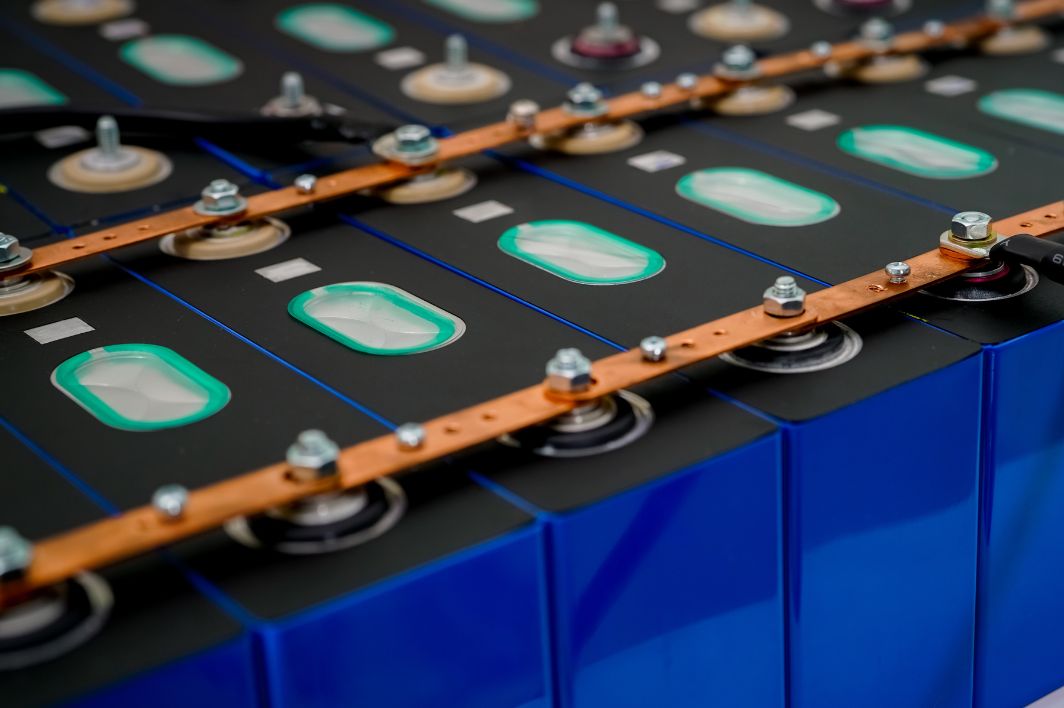
- Battery type and condition: Different battery chemistries (lithium-ion, NMC, LFP, etc.) have different charging curves and temperature tolerances. Lithium-ion batteries — the most common in electric vehicles — charge fastest between 20% and 80% of their capacity. As they approach 100%, charging speed slows down to protect the battery. Think of it like filling a glass to the very brim: towards the end, you have to slow down to avoid spilling. Naturally, if the battery is in poor condition, charging will take considerably longer. If that's the case, we'd recommend visiting one of our Órbita Workshops.
- Temperature: Extreme cold can slow down charging, as can excessive heat. Some electric vehicles have thermal management systems designed to keep the battery at an optimal temperature during charging.
Types of chargers and their impact on charging time
There are several types of EV chargers, each with different power outputs and charging speeds:
- Slow charging (Schuko): Uses a standard domestic socket (230V) or a dedicated charging point. With a typical output of 2.3 kW and under 7.4 kW, this is the slowest option — best suited for overnight charging at home. A full charge can take between 6 and 12 hours. To put it into perspective, charging a 40 kWh battery this way could take over 17 hours.
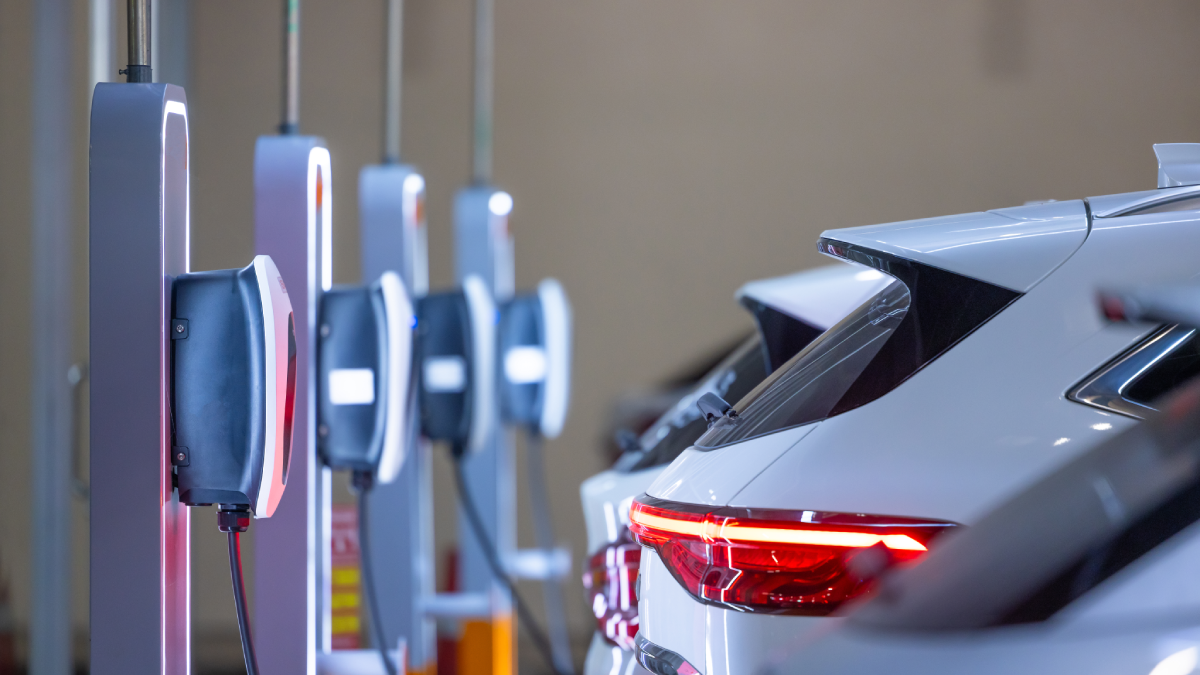
- Semi-fast charging: With power outputs ranging from 7.4 kW to 22 kW (and even up to 43 kW), this type of charger significantly cuts charging time. For that same 40 kWh battery, the time drops to between 1.8 and 5.4 hours. It's an ideal solution for private or communal garages, and is commonly found in public car parks, shopping centres and some service stations.
- Fast charging (CCS, CHAdeMO): Found at service stations and dedicated charging hubs, fast chargers offer between 50 kW and 150 kW. They can take a 40 kWh battery from 20% to 80% in just 20 to 30 minutes — the go-to option for long journeys.
- Ultra-fast charging (CCS): With outputs above 150 kW — often 350 kW or more — ultra-fast charging cuts waiting times to a minimum. At Moeve, we're at the forefront of this technology, offering ultra-fast chargers at our Service Stations capable of taking a 40 kWh battery from 20% to 80% in under 15 minutes.
Tips for optimising your charging time
- Plan your charges: Charge overnight at home using slow charging, or take advantage of off-peak electricity tariffs.
- Use fast chargers on long trips: Make the most of fast or ultra-fast chargers to keep waiting times to a minimum.
- Smart charging: Many EVs allow you to schedule charging so it starts automatically during off-peak hours.
- Avoid charging to 100% unless you need to: Charging between 20% and 80% is faster and can extend your battery's lifespan. A full charge to 100% is only really recommended in specific situations, such as before a long journey.
- Pre-condition the battery in cold weather: Some cars allow you to warm the battery before charging, which helps optimise charging speed in low temperatures.

Frequently asked questions about charging electric cars
Is it bad to charge your electric car every day?
Not at all. In fact, it's recommended to keep the battery between 20% and 80% charge to get the most out of its lifespan.
Is it safe to charge an electric car in the rain?
Yes, it's perfectly safe to charge an electric car in the rain. Both vehicles and chargers are built with safety measures to protect against electric shock.
How long does it take to charge an electric car using solar panels?
Charging time with solar panels depends on the power output of the photovoltaic system and weather conditions. Generally speaking, it will be slower than charging from the grid — but it's a sustainable and cost-effective option.