Index
How long does a conventional car battery warranty last?
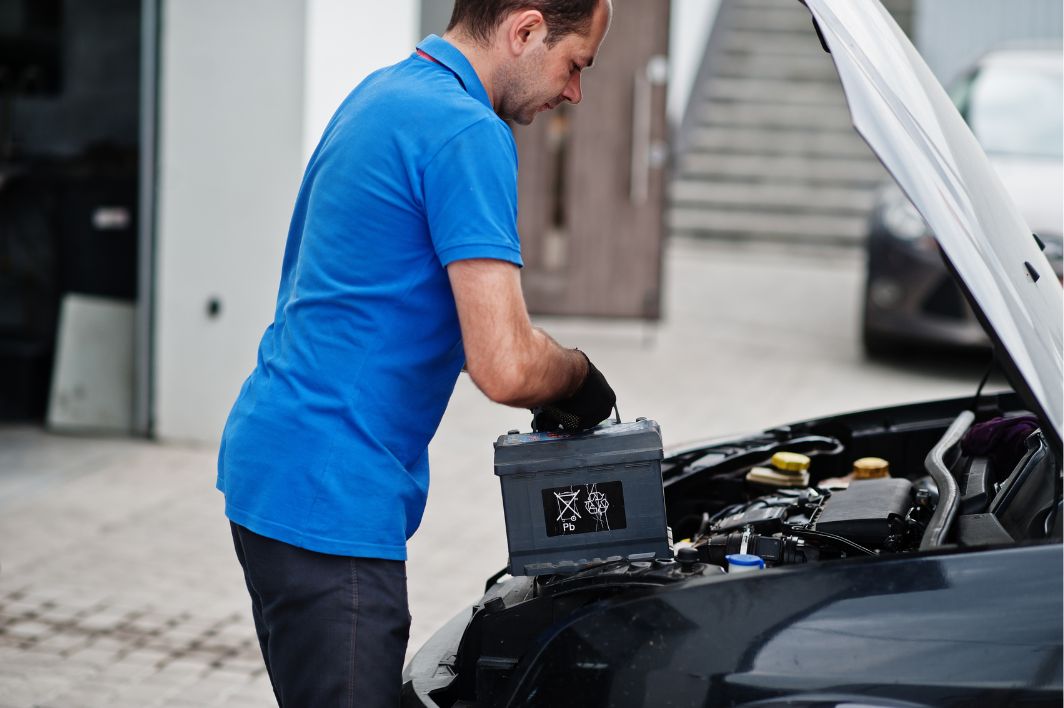
For combustion engine vehicles, battery warranty periods vary depending on the manufacturer and product type. The most common range is between 2 and 5 years, with 2–3 years being the standard in the Spanish market.
It's worth noting that Spanish legislation sets a minimum legal warranty period of three years for new products. This means that regardless of what the manufacturer states, you have certain rights to make a claim during that time if the battery shows manufacturing defects.
Factors that affect warranty duration
Not all battery warranties are the same. Key factors include the brand and quality of the battery, how the vehicle is used, and where it was purchased. Premium batteries typically come with longer warranties, while commercial or heavy-use vehicles may be subject to different conditions.
For this reason, proper vehicle maintenance is essential — including regular battery checks, especially before the winter months, when cold temperatures put battery performance to the test.
Warranties for batteries in electric and hybrid vehicles
The picture changes considerably when it comes to electric or hybrid vehicles. The high-voltage battery represents a significant investment, and manufacturers know it. That's why warranties in this segment tend to be far more generous.
As of 2026, the industry standard sits at 8 years or 160,000 kilometres (whichever comes first). But there's an important nuance here: this warranty doesn't just cover manufacturing defects — it also covers charge retention capacity.
The 70% clause: what it really means
Most manufacturers guarantee that the battery will retain at least 70% of its original capacity throughout the warranty period. In practice, this means that if your electric car had a range of 400 kilometres when new, it should still deliver at least 280 kilometres after those 8 years.
Some brands go even further. Toyota offers up to 15 years or 250,000 km, provided all scheduled maintenance is carried out at its official network, while Lexus guarantees 10 years or 1 million kilometres to maintain 70% capacity. This extended protection makes increasing sense as electric mobility continues to gain ground among drivers across Spain.

What exactly does the battery warranty cover?
Now that we know how long warranties last, the key question is: what problems are actually covered?
Manufacturing defects
If the battery shows faults due to manufacturing issues, defective materials or incorrect assembly, it is covered. This includes cells that fail to hold a charge, problems with terminals or internal connections, and failures in the battery management system (BMS) in electric vehicles.
Significant capacity loss (electric vehicles)
If your electric vehicle battery loses more capacity than warranted — typically dropping below 70–75% — the manufacturer must take action: either repairing it, replacing defective modules, or substituting the battery entirely.
What is NOT covered by the battery warranty?
Knowing what is excluded is just as important as knowing what is covered. A warranty is not a blank cheque:
Normal wear and tear
Batteries are components that degrade with use. A conventional battery has an expected lifespan of 4–6 years, while an electric vehicle battery can last between 10–15 years. If it runs out within these ranges but outside the warranty period, this is considered normal wear and tear.
Improper use or lack of maintenance
Failing to follow charging guidelines for electric vehicles, leaving a vehicle immobilised for extended periods without disconnecting the battery, or skipping mandatory vehicle services can all void the warranty.
Damage caused by other components
A fault in the alternator, starter motor or voltage regulator may damage the battery, but such damage is generally not covered under the battery warranty itself.
External damage
Accidents, prolonged exposure to extreme temperatures, flooding or unauthorised vehicle modifications will void the warranty. In electric vehicles, excessive use of ultra-fast charging may, in some cases, affect the warranty if it can be shown to have contributed to premature degradation.
Tips for making the most of your warranty
To ensure you can benefit from your warranty when the time comes:
- Keep all documentation: Purchase invoice, warranty certificate and maintenance records.
- Follow the recommended maintenance schedule: And hold on to all service receipts.
- Act at the first sign of trouble: Don't wait for the battery to fail completely.
- Know the deadlines: Warranties have specific time frames.
- Read the fine print: Every warranty has its own particular terms and conditions.

Frequently asked questions
Here are answers to the most common questions about car battery warranties:
Can I extend my battery warranty?
Yes, many manufacturers and garages offer optional warranty extensions. Weigh up whether the added cost is worthwhile based on your vehicle usage patterns.
Is the warranty transferable if I sell the car?
It depends on the manufacturer. In most cases, the battery warranty does transfer to the new owner, provided the sale takes place within the original coverage period.
What should I do if my battery fails within the warranty period?
Contact the garage where you purchased the battery — or the manufacturer's official service network — straight away. Bring your full documentation and describe the symptoms of the fault.
Does using external chargers affect my electric car's warranty?
As long as you use certified chargers that are compatible with your vehicle, it should not be affected. However, using non-approved devices may void the warranty.
Knowing your warranty rights brings real peace of mind. Whether you drive a conventional vehicle or have already made the switch to electric mobility, understanding what your battery warranty does — and doesn't — cover will help you make better maintenance decisions and know when to make a claim. Preventive care and following manufacturer recommendations are your best allies in extending battery life.