Index
Average lifespan of an electric car battery
One of the first mental hurdles people face when considering an electric car is battery longevity. Coming from a world of combustion engines, the idea of a battery that gradually degrades over time can feel unsettling. The good news is that technology has come a long way.
Estimated years and mileage
Most manufacturers design their batteries to last at least as long as the average lifespan of the vehicle itself. In general, an electric car battery is expected to last between 8 and 10 years — which translates to somewhere between 160,000 and 200,000 kilometres.
For the average driver, this means the battery will comfortably outlast the period most people keep a car before replacing it. And reaching the end of a battery's "first life" doesn't mean it stops working altogether — it simply means its storage capacity has decreased, resulting in a shorter range.
Manufacturer warranties
To give drivers even greater peace of mind, manufacturers offer comprehensive warranty coverage. The industry standard is a warranty of 8 years or 160,000 kilometres, whichever comes first.
This warranty typically covers battery degradation below a certain threshold — usually set at 70% of the original capacity. If your battery drops below that level within the warranty period, the manufacturer will repair or replace it.

Factors that affect battery lifespan
Battery life isn't an exact science. Just as the health of a combustion engine depends on how well you look after it, the longevity of an electric battery is shaped by several key factors.
Charge cycles
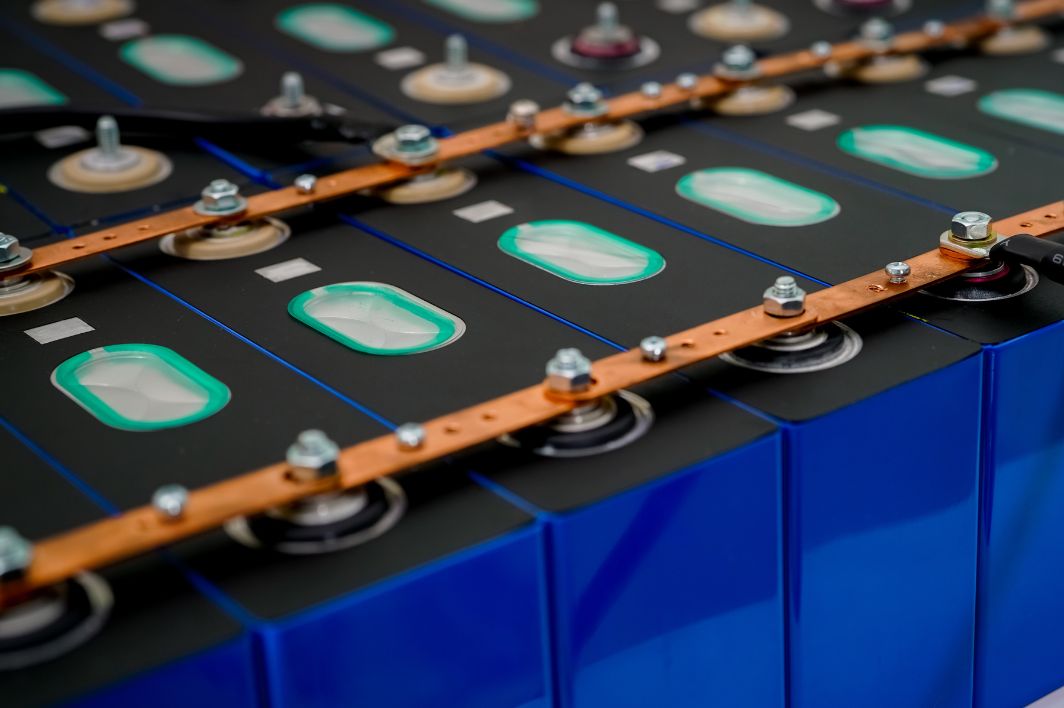
Lithium-ion batteries — the most common type in electric vehicles — have a finite number of charge and discharge cycles. A full cycle is counted when the battery goes from 0% to 100%, though this doesn't have to happen in a single session. Charging twice from 50% to 100%, for example, counts as one full cycle. Over time, each cycle very gradually reduces the battery's capacity.
Temperature and climate
Temperature is one of the biggest influences on battery health. Extreme conditions — both heat and cold — can accelerate degradation.
- Excessive heat: Heat is the number one enemy. It speeds up the battery's internal chemical reactions, causing faster deterioration. Fortunately, modern electric cars are equipped with sophisticated liquid cooling systems to keep the battery at an optimal temperature.
- Extreme cold: Cold doesn't degrade the battery in the same way, but it does temporarily reduce its performance and range. Energy is used less efficiently, and charging can be slower.
Driving style
How you drive has a direct impact on battery health. Smooth, anticipatory driving not only maximises your range — it also takes care of the battery. Harsh acceleration and sustained high speeds demand sharp energy spikes, generating more heat and putting stress on the battery cells.
On the flip side, making the most of regenerative braking helps gently top up the battery and reduces wear on the brakes.
How to look after your battery and make it last longer
Now that you know what affects its lifespan, here are the key habits to keep your battery performing at its best for years to come. ;
Recommended charging habits
How you charge your car really matters. Forget the petrol tank mindset of "fill it up and run it dry." With lithium batteries, the goal is to keep them within a healthy charge range. /p>
Avoiding extremes: full charges and deep discharges
The golden rule is to try to keep your battery's charge level between 20% and 80%.
- Don't charge to 100% every day: Routinely charging the battery to full puts unnecessary stress on the cells. Save full charges for when you're about to set off on a long journey and genuinely need maximum range.
- Don't let it drain completely: In the same way, try to avoid letting the battery drop below 20% on a regular basis. Deep discharges also contribute to faster degradation.
Using quality charging stations
Your charging infrastructure is a key ally. Using reliable, well-maintained charging points ensures that energy is delivered safely and steadily, protecting your vehicle's electronics.
At Moeve, we're building the largest electric mobility ecosystem on the Iberian Peninsula, with ultra-fast chargers at our Service Stations to keep your journeys comfortable and worry-free.

Charging stations and their impact on the battery
Not all chargers are the same — and understanding the differences will help you make the best choice for every situation.
Types of charging (slow, semi-fast, fast)
There are three main types of chargers for electric vehicles:
- Slow charging (up to 3.7 kW): This uses a standard domestic plug. It's the slowest option, but also the gentlest on the battery. Ideal for overnight charging at home.
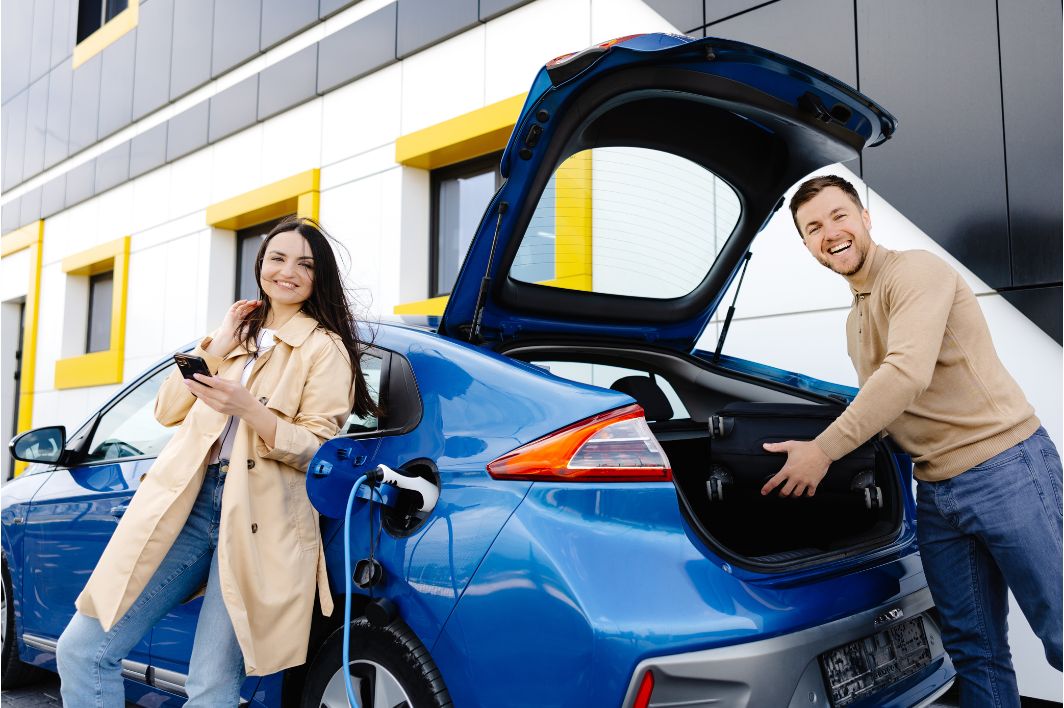
- Semi-fast charging (7.4 kW to 22 kW): Delivered through a wall-mounted home charger or public charging point. The perfect balance between speed and battery care for everyday use
- Fast and ultra-fast charging (from 50 kW): Uses direct current (DC) and can recharge most of the battery in a matter of minutes. The ideal choice for long trips.
When to use fast charging — and when to hold back
Fast charging is a fantastic tool for longer journeys, but it shouldn't be your go-to method for daily use. The process generates more heat than slower charging, and relying on it exclusively over time can accelerate long-term battery degradation.
The advice is simple: use slow or semi-fast charging day to day, and save fast charging for when you truly need it — like on a road trip.
The benefits of using reliable stations like Moeve's
Charging with a trusted network like Moeve means you can be confident that the chargers are properly maintained, deliver the stated power output and meet all safety standards. This protects not only your car's battery, but its entire electrical system — giving you the peace of mind you need every time you plug in.
In short, an electric car battery is built to last. With the right driving and charging habits, you can extend its life even further — and enjoy efficient, cost-effective and stress-free electric mobility for many years to come.