Index
What is an electric RV and how does it work?
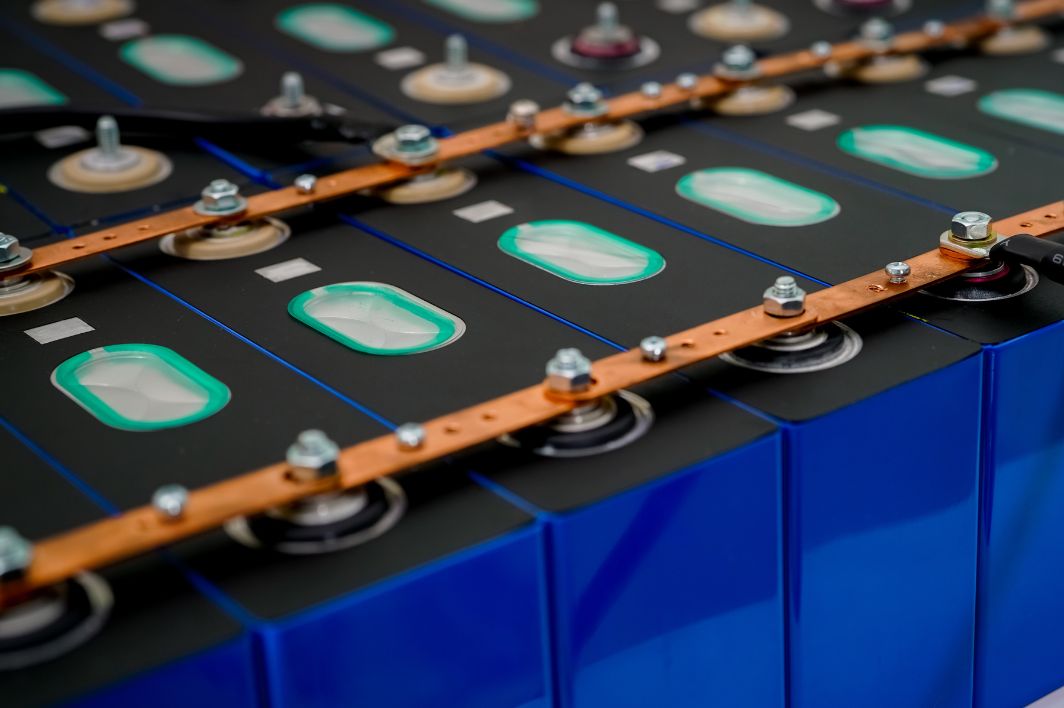
An electric RV is, essentially, a motorhome powered by one or more electric motors rather than a traditional combustion engine. Its heart isn't a diesel tank, but a high-capacity battery pack that stores the energy needed to move the vehicle and power its onboard amenities.
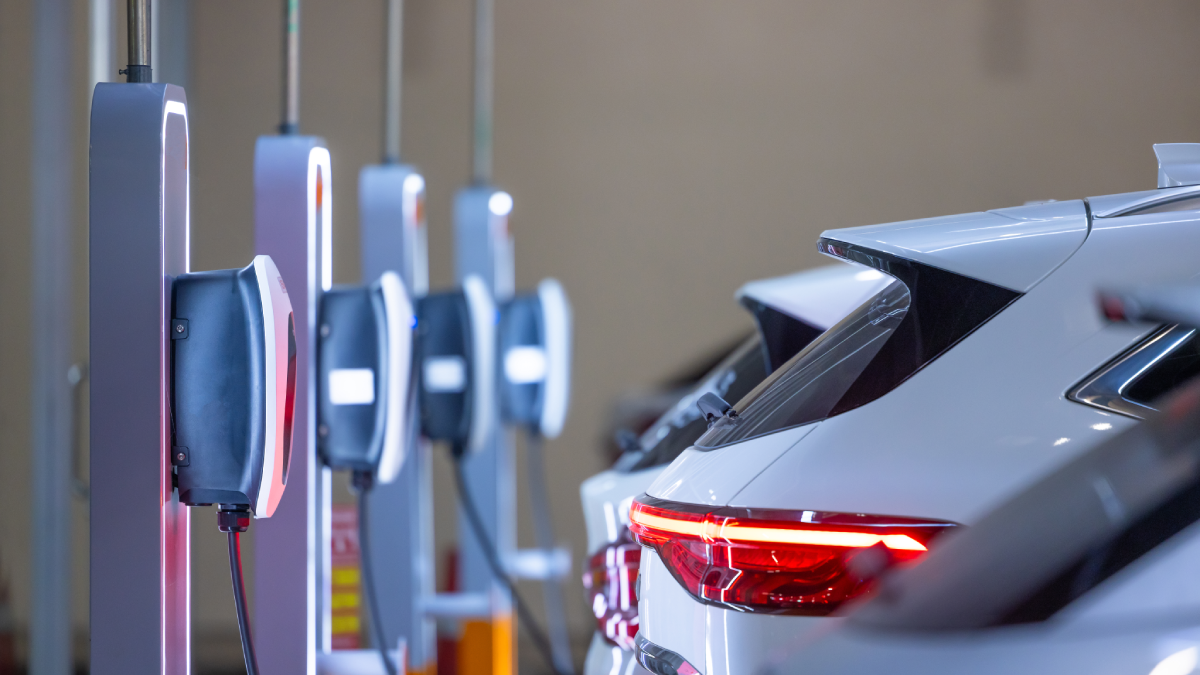
Its operation closely mirrors that of an electric car: you charge it by plugging into the electrical grid, whether through a standard household outlet, a public charging station, or service stations. The battery energy powers the motor, which drives the wheels silently and without emitting pollutants from the exhaust.

Benefits of an electric RV
Choosing an electric RV brings a host of advantages that extend well beyond the driving experience.
Sustainability and environmental responsibility
The most obvious benefit is its zero local emissions. Traveling without leaving a trail of smoke, especially in natural settings, represents a far more responsible form of tourism. You contribute to improved air quality and reduced noise pollution, enabling a purer, quieter connection with your surroundings.
Fuel cost savings
The cost of electricity per kilometer is considerably lower than diesel. While prices vary, charging an electric vehicle at home can yield savings of over 50% compared to filling a fuel tank. Over time, these "fuel" savings can help offset the initial investment.
A quieter driving experience
The absence of a combustion engine completely transforms the travel experience. Driving is smooth, silent, and vibration-free, reducing driver fatigue and making the journey a far more relaxing and enjoyable part of your vacation.
Technological innovation
Electric RVs typically come equipped with the latest driver assistance, connectivity, and energy management technology. This not only enhances safety but also enriches the onboard experience, turning your vehicle into a true smart home on wheels.

Drawbacks of an electric RV
Despite its many advantages, electric RV technology still faces certain challenges worth understanding before making a decision.
Limited range
Range is perhaps the greatest current challenge. While a diesel RV can travel over 800 kilometers on a single tank, current electric models such as the converted Mercedes EQV or Volkswagen ID. Buzz typically offer ranges between 200 and 400 kilometers. This demands more careful route planning, particularly for longer trips, to ensure charging stops. If you'd like to learn more, we recommend reading our post on planning long-distance routes with an electric vehicle.
Insufficient charging infrastructure
Although the charging network is expanding rapidly, it still isn't as dense as gas stations, particularly in rural or sparsely populated areas. Additionally, charging times are longer. While refueling diesel takes minutes, a fast charge (from 20% to 80%) for an electric RV can take 30 to 40 minutes at a rapid charging station. A full charge using a standard outlet could take several hours.
However, at Moeve we offer extensive charging coverage, many locations equipped with ultra-rapid technology that minimizes wait times. Furthermore, to reward your trust, charging at a Moeve station earns you credit toward future refueling, car washes, or in-store purchases. This way, we turn every stop into an advantage for you and your journey.
High initial price
The purchase price of an electric RV is generally higher than its diesel equivalent. Battery technology and lower production volumes drive up the final cost. However, it's essential to factor in government incentives such as the MOVES 2026 Plan, which can significantly reduce this initial investment.
Is an electric RV right for you?
The final decision depends on your traveler profile. Ask yourself the following questions:
- Type of trips you take: If your getaways are typically weekend trips or to destinations with good infrastructure, not exceeding 300-400 km per leg, an electric RV could be perfect. If you're a long-distance adventurer seeking maximum spontaneity, you'll need to carefully analyze routes.
- Access to charging points: Do you have the ability to install a charging point at your home? This would greatly simplify your daily routine. Also research the public charging network in areas you frequently visit.
- Available budget: Weigh the initial investment against long-term savings on fuel and maintenance. Don't forget to include potential subsidies in your calculations.
Frequently asked questions about electric RVs
It's natural to have questions about this type of vehicle. Let's address them one by one.
How much does it cost to charge an electric RV?
Costs vary depending on battery capacity and electricity rates. As a reference, charging an 80 kWh battery (which might provide roughly 300-350 kilometers of range) at home during off-peak hours could cost between €8 and €12. At a public fast-charging station, the cost would be higher.
Can I install solar panels on my electric RV?
Yes! In fact, this is one of the major advantages. Installing solar panels on your electric vehicle allows you to generate your own power for auxiliary systems (lights, refrigerator, outlets) and even add a few extra miles of range to the main battery, giving you greater freedom at your stops.
Are they suitable for traveling in rural areas?
It depends on the region. If you plan to travel through rural or remote areas, planning is absolutely crucial. You'll need to thoroughly research charging point availability along your route and have backup plans. Adventure is possible, but it requires more extensive preparation.
In conclusion, the electric RV is a fantastic option for a conscious, well-planned, tech-savvy traveler. It represents the future of RVing, a future that is quieter, cleaner, and more connected to nature. If its characteristics align with your travel style, you'll undoubtedly be investing in an exciting new way to discover the world.