Index
Why is it important to plan what you eat on a road trip?
On a long journey, it's easy to give in to the temptation of quick, unhealthy options like heavily processed snacks or fast food. But poor nutrition can have a real impact on how you drive.
Avoiding energy dips and fatigue
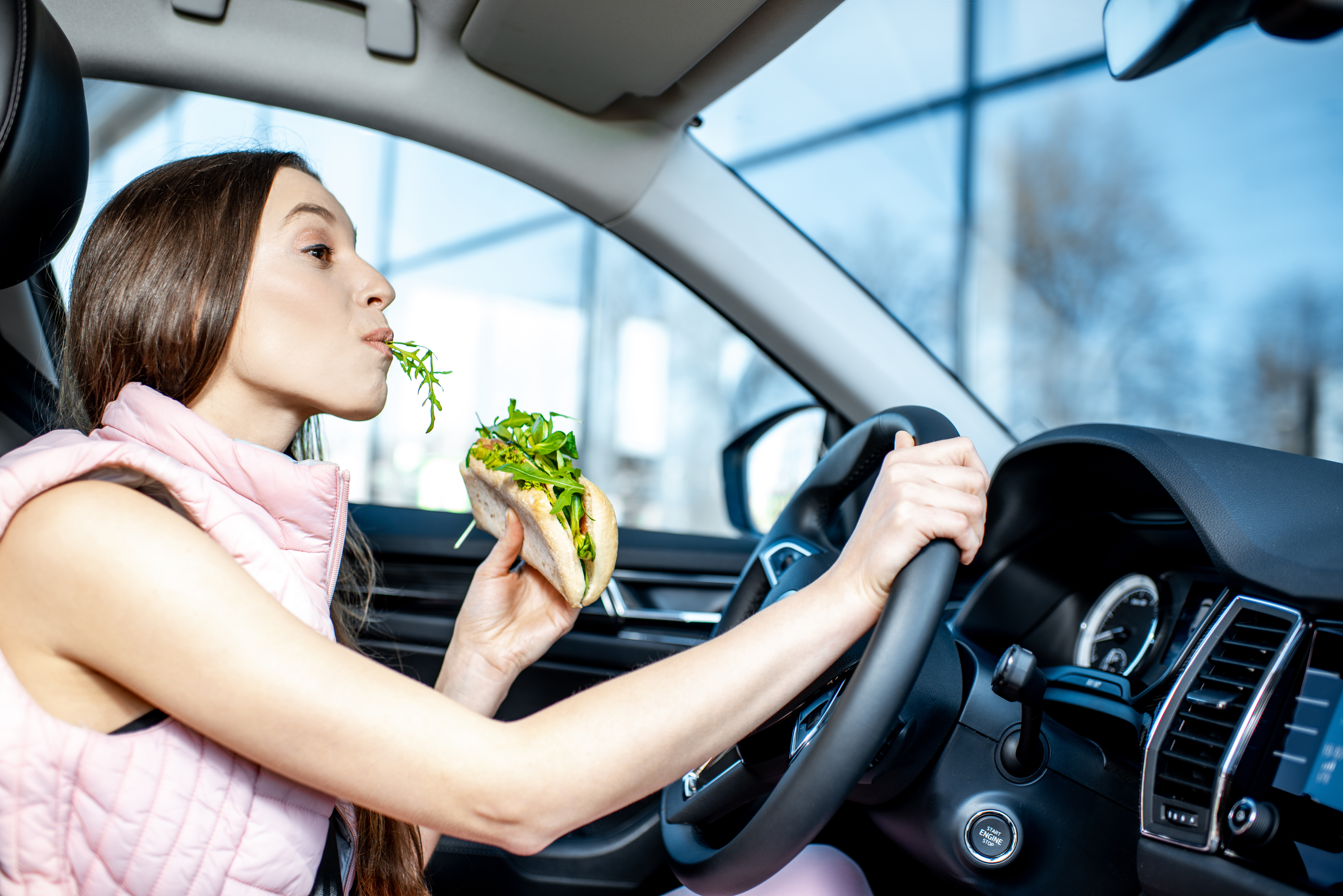
Heavy, fat-rich meals slow down digestion and can make you drowsy, reducing your reaction time. Foods high in sugar may give you a quick energy boost, but they're usually followed by a crash that leaves you feeling tired and less alert.
Supporting digestion and maintaining focus
A heavy meal can cause discomfort and distraction behind the wheel. Choosing light, easy-to-digest foods will help you stay focused and avoid any stomach issues during the trip.
Food to take in the car: what to prepare before you leave
The secret to eating well on the road is planning ahead. Preparing your own food gives you control over what goes into it, helps you avoid processed options, and saves you money. Here's a closer look.
Healthy snacks
Snacks are your best ally for keeping your energy up between meals. Some healthy, easy-to-carry options include:
- Fresh fruit: apples (rich in fibre and antioxidants), bananas (a great source of potassium and energy), grapes (hydrating and antioxidant-rich), mandarins (packed with vitamin C).
- Raw vegetables: baby carrots (rich in beta-carotene), celery (hydrating and low in calories), peppers (high in vitamin C), cucumber (refreshing).
- Nuts: almonds (rich in vitamin E and magnesium), walnuts (a source of omega-3), pistachios (high in fibre and potassium) -- choose unsalted, with no added sugar.
- Seeds: pumpkin seeds (rich in zinc), sunflower seeds (rich in vitamin E).
- Greek yoghurt or drinkable kefir: a source of protein and probiotics for good digestion.
- Homemade granola bars: low in sugar, made with oats, nuts and seeds.
- Popcorn: made at home, without too much butter or salt. A light, fibre-rich option.
- Edamame: dry-roasted or frozen. A good source of plant-based protein and fibre.
Cold meals that travel well
For something more substantial, you can prepare:
- Wholegrain sandwiches: with turkey (low in fat), serrano ham (a good source of protein), avocado (healthy fats), tomato and lettuce.
- Pasta or quinoa salads: with vegetables (pepper, cucumber, cherry tomatoes), pulses (chickpeas, lentils) and tuna or chicken (lean proteins).
- Wraps: filled with hummus (plant-based protein and fibre), vegetables (grated carrot, spinach) and chicken or tofu (lean proteins).
- Spanish omelette: a classic that never lets you down -- just opt for a version with less oil and more vegetables.
- Ham and cheese rolls: a quick and easy option, but go for lower-fat cheeses and serrano ham rather than processed deli meats.
Tips for keeping food fresh during the journey
Food safety matters, especially in summer. Follow these tips to keep your food fresh and safe:
- Use a portable cooler with ice packs or freeze blocks.
- Store food in airtight containers to prevent spills and contamination.
- Keep food out of direct sunlight and away from warm areas of the car.
- Eat perishable items in the first few hours of the trip.
- Bring a thermal bag to keep cold foods at the right temperature.
- Wash fruit and vegetables thoroughly before leaving home.
- Use reusable containers to reduce your environmental impact.
What if you haven't brought anything? Eating well during a stop
Sometimes plans fall through, or you simply fancy something different. Don't worry -- there are healthy options to be found on the road too.
Healthy options you can find at a petrol station shop
At Moeve Service Stations, your wellbeing matters to us, and we make sure you can eat well during your trip. Skip the processed snacks and look out for fresh fruit, nuts, yoghurts, wholegrain sandwiches, ready-made salads, water and sugar-free drinks.
Our service stations are also designed to give you everything you need for the perfect stop:
- Spacious car parks: so you can manoeuvre with ease.
- Moeve Market or Carrefour Express: with a wide range of products, including the healthy food and drink options we've mentioned.
- R'Spiro: another one of our concepts that combines the speed you need on the road with the quality you deserve, making every stop a real chance to recharge.
- Catering services: for a full, balanced meal.
- Rest areas: to relax and stretch your legs.
- Wi-Fi connection: to stay connected.
To find our cafés and restaurants, you can use our Near You search tool and filter by Moeve Service Stations with a Moeve Market (formerly Depaso), Carrefour Express or R'Spiro.

What to avoid eating before driving
Choosing the right foods is just as important as knowing which ones to avoid. We touched on this earlier, but let's take a closer look at the main culprits:
Heavy or very fatty meals
Large, fat-rich meals slow down digestion and can cause drowsiness, reducing your reaction time. Think fried food, rich stews, burgers loaded with cheese and sauces, or pizza with fatty toppings. These foods demand a lot of digestive effort, drawing energy away from where you need it most -- staying alert at the wheel.
Too much sugar
Foods high in sugar cause blood glucose spikes followed by sharp crashes, which can lead to fatigue, irritability and poor concentration. This includes fizzy drinks, mass-produced pastries (doughnuts, filled croissants), sweets, chocolate bars and packaged juices with added sugar.
Drinks that dehydrate
Alcohol, excessive caffeine and sugary soft drinks can all leave you dehydrated, which has a negative effect on both your physical and mental performance. Dehydration causes fatigue, dizziness, headaches and muscle cramps, all of which increase the risk of an accident.
Avoid large amounts of coffee, energy drinks, and of course any kind of alcoholic drink. Water is always the best choice for staying properly hydrated.
Smart stops: how to make the most of them to eat, stretch and recharge
Stops aren't just for refuelling or a bathroom break, they're an opportunity to recharge your energy and keep your focus sharp behind the wheel.
The importance of stopping every 2 hours
Spain's DGT (Directorate-General for Traffic) recommends stopping every 2 hours or 200 kilometres to combat fatigue and improve road safety. These breaks give you a chance to stretch your legs, rest your eyes and clear your mind.
Eating, hydrating and moving: three keys to a safer journey
Use your stops to eat something light and healthy, drink water or sugar-free beverages, and do some gentle stretches to get your circulation going. A few minutes of active rest can make all the difference to how you feel, both physically and mentally.
When it comes down to it, planning your meals for a road trip is just as important as checking your car or mapping out your route. Eating well will help you stay energised, focused and comfortable throughout the journey, making it safer and more enjoyable from start to finish.