Index
What does PMV mean?
PMV stands for Personal Mobility Vehicle. While the term is often associated with electric scooters, bicycles or unicycles, the definition is actually broader than that.
Officially, according to Spain's Directorate General of Traffic (DGT), a PMV is a one- or multi-wheeled vehicle with a single seat, powered exclusively by electric motors, and with a maximum design speed of between 6 and 25 km/h.
This legal definition focuses on electric personal mobility vehicles, but the concept of "personal mobility vehicle" is wider and includes non-motorised options such as traditional kick scooters, skateboards, roller skates, bicycles and tricycles. In this article, we will focus on electric PMVs, the kind regulated by the DGT, which are reshaping the way we move around our cities.
Types of personal mobility vehicles
The world of PMVs is wide and varied, catering to different needs and lifestyles. There really is a personal mobility vehicle for everyone.
Electric scooters
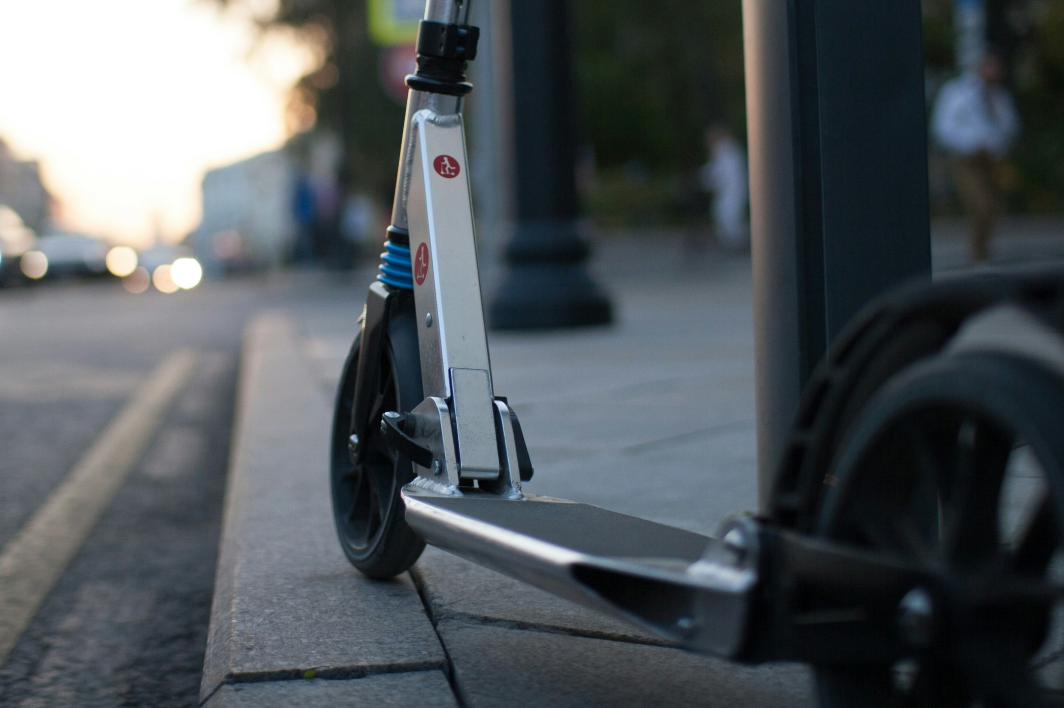
Electric scooters are, without question, the kings of urban personal mobility. Agile, lightweight and easy to handle, they are perfect for short trips, weaving through traffic and combining with other modes of transport. They typically offer a range of between 20 and 40 km, making them ideal for getting around the city.
Unicycles and hoverboards
If you're looking for something even more compact and fun, unicycles and hoverboards are worth considering. Unicycles, with their single wheel, offer a distinctive riding experience that calls for balance and coordination.
Hoverboards, the two-wheeled platforms controlled by shifting your body weight, are popular among younger riders, though their use on public roads is subject to specific regulations.
Electric bicycles
Electric bicycles, or e-bikes, combine electric motor assistance with the physical effort of pedalling. They are ideal for longer distances, hilly terrain or for those seeking a healthier alternative to the car. There are many different types of e-bikes, from urban models to mountain bikes, with ranges that can exceed 100 km.
Key features of PMVs
Electric PMVs, as we've been exploring, share a set of characteristics that make them particularly well suited to city life:
- Compact size: Their small footprint makes them easy to use and store in tight spaces such as offices or flats. Their portability also makes them a practical option for combining with other forms of transport.
- Electric motor: With no internal combustion engine, they produce no direct pollutant emissions, helping to reduce air pollution and, in turn, environmental impact. Their quiet operation also cuts down on noise pollution in urban areas.
- Easy to use: Most personal mobility vehicles are straightforward to ride and require no prior experience. Their intuitive handling makes them accessible to a wide range of users.
- Cost-effective: Compared to a car or motorbike, PMVs are far more affordable, both to buy and to run. They don't need petrol, and maintenance costs are minimal.
PMV regulations in 2026
The use of personal mobility vehicles is governed by DGT regulations. Understanding the rules is essential for safe and responsible riding. General regulations set out a series of requirements and restrictions for PMVs on the road, but individual councils may have their own local bylaws.
Where you can ride: the rules of use
PMVs are not permitted on pavements. They must use cycle lanes or, where none are available, the road, in compliance with traffic regulations. Some councils designate specific permitted zones, speed limits or access restrictions for PMVs. Make sure you check the local rules in your area.
User obligations: helmets, insurance and more
Wearing a helmet is compulsory for all PMV users. The use of reflective gear and lights is also strongly recommended, particularly at night, to improve visibility. Some councils require third-party liability insurance to ride a PMV. Always check your local regulations.
The most common fines and penalties
Penalties for breaking the rules can reach up to €200, covering offences such as riding in prohibited areas, exceeding speed limits, riding under the influence of alcohol or drugs, or failing to wear a helmet or use lights. In cases of serious infringement, regulations also allow for the PMV to be impounded.
PMV classification by certification type
In Spain, PMV certification is an essential process for ensuring the safety and quality of these vehicles. Since 22 January 2024, all newly sold personal mobility vehicles must carry a certificate confirming compliance with current regulations.
This certificate is issued after passing a series of technical tests carried out by approved laboratories, which check aspects such as maximum speed, braking systems, lighting and signalling.
A transitional period applies to personal mobility vehicles purchased before 22 January 2024. These vehicles may continue to be used legally without the certificate until 22 January 2027, provided they meet two conditions: their maximum speed must not exceed 25 km/h and they must not have a seat. After that date, all PMVs, regardless of when they were purchased, will need to hold a certificate in order to ride legally.
Find out more
For the full details and regulations governing the use of PMVs, consult the following documents and links: