Index
What Is this chemical process and how does it happen?
Combustion, although we experience it daily, is a fascinating chemical process. In essence, it is a rapid oxidation reaction in which a fuel (a substance that stores chemical energy) reacts with an oxidizer (usually oxygen) to release energy in the form of light and heat. Let’s look in detail at how the magic happens:
- Activation: For combustion to begin, activation energy is required, such as a spark, a flame, or a hot surface. This initial energy breaks the chemical bonds of the fuel and the oxidizer, allowing them to react with each other.
- Chain reaction: Once the reaction has started, a chain reaction occurs, in which the energy released by the combustion of one fuel molecule triggers the combustion of other molecules, and so on. It’s like a domino effect at the molecular level.
- Energy release: The chain reaction releases a large amount of energy in the form of light and heat, which spreads rapidly.
- Formation of products: As the fuel and the oxidizer react, combustion products such as CO₂ and H₂O are formed.

Main types of combustion
Combustion is not a single process, but rather a family of reactions with different characteristics. Let’s examine the most common types:
Complete vs. incomplete combustion
Imagine a bonfire. If the wood burns completely, leaving only white ashes and releasing heat, we would be witnessing complete combustion. In this case, the fuel reacts completely with oxygen, generating carbon dioxide (CO₂) and water (H₂O). This is the ideal scenario, as the energy of the fuel is utilized to the fullest.
Now, if the wood burns leaving black residue and soot, along with less intense heat, we would be witnessing incomplete combustion. Here, the fuel does not react completely with oxygen, producing carbon monoxide (CO), a toxic gas, and other residues. That is why proper ventilation is crucial in any combustion process.
Spontaneous and controlled combustion
Spontaneous combustion, although it sounds like something out of science fiction, is a real phenomenon. It occurs when a substance ignites without the need for an external heat source. How is this possible? Some substances, such as white phosphorus or damp hay, can react with oxygen in the air exothermically; that is, releasing heat.
If the heat generated is not dissipated quickly enough, the temperature of the material rises until it reaches its ignition point, and—boom!—spontaneous combustion. This is a process we must keep in mind when storing certain substances, ensuring proper ventilation and avoiding heat buildup.
Controlled combustion, on the other hand, occurs in an environment designed for it, such as a car engine or a boiler. Here, the reaction is carefully managed to maximize the energy released and minimize risks. Think of a candle: the wax burns in a controlled manner, providing light and heat without causing a fire.
Internal and external combustion
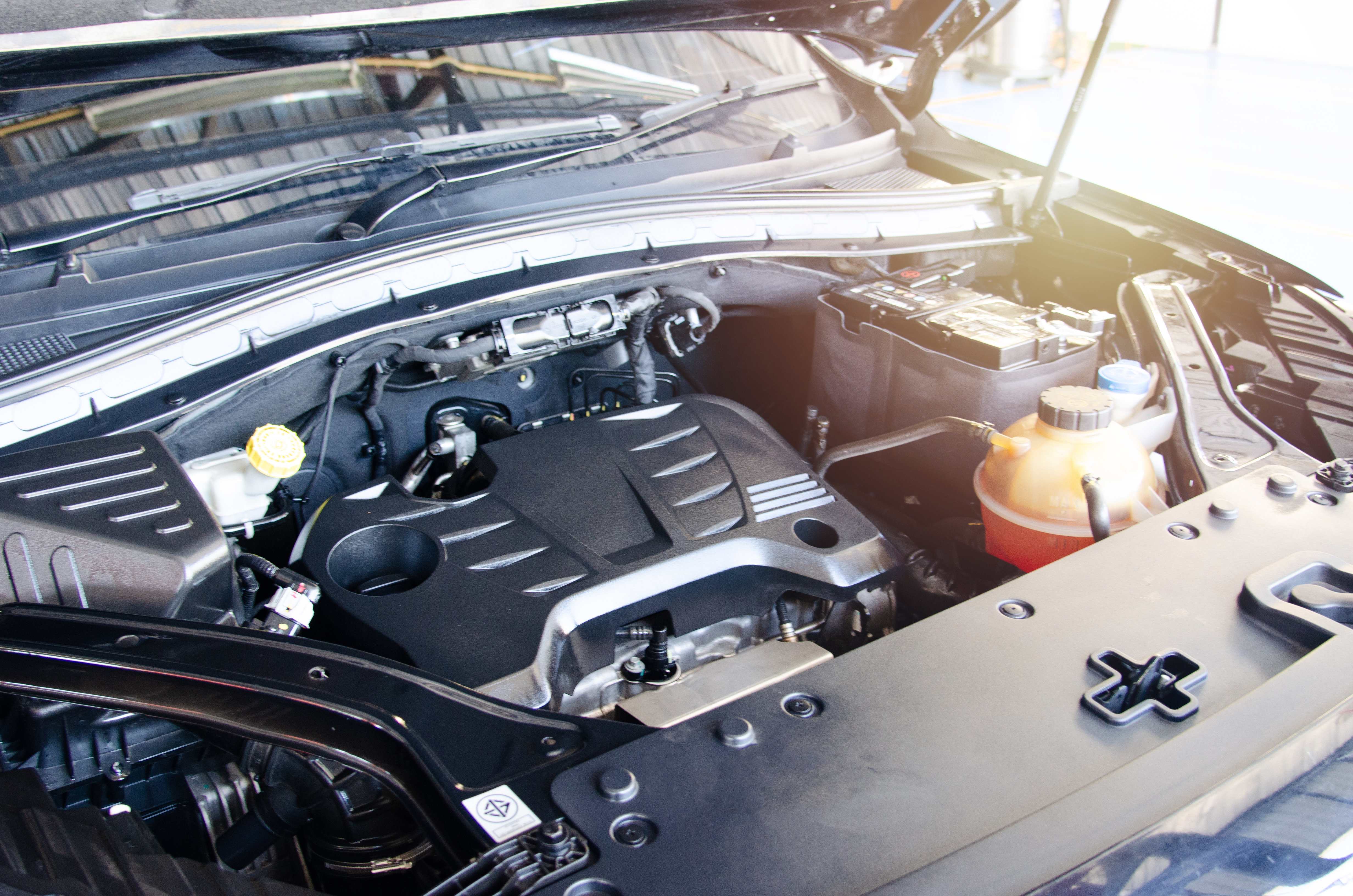
In internal combustion engines, the process occurs within an enclosed space, such as the cylinders of a car. Fuels such as gasoline or diesel are burned to release energy that drives the pistons, generating motion. This method, as we have previously discussed, is efficient because it directly utilizes thermal energy to produce mechanical work.
On the other hand, in external combustion, the burning of the fuel takes place outside the main system. For example, in a gas boiler, the heat produced warms a fluid, such as water, which then distributes thermal energy throughout a circuit.
Steam locomotives, less common today, also illustrate this principle: coal is burned outside the boiler, and the resulting steam is used to move the pistons that generate motion.
Practical examples in daily life
Combustion is everywhere, from the kitchen to outer space:
Gasoline and diesel engines
Gasoline and diesel engines are the beating hearts of our cars, and both use internal combustion to generate motion. Although the principle is the same, there are key differences in how the fuel is introduced and burned.
- In a gasoline engine, the fuel is mixed with air and injected into the cylinder. A spark from the spark plug ignites the mixture, causing a controlled explosion that pushes the piston.
- In a diesel engine, the air is first compressed in the cylinder, raising its temperature. Then, diesel is injected, which ignites spontaneously due to the high temperature of the compressed air. This difference makes diesel engines generally more efficient in terms of fuel consumption.
Use in heating systems and power generation
In domestic boilers, natural gas, propane or fuel oil are burned to heat water. In thermal power plants, the combustion of fossil fuels generates the steam that drives turbines, producing electricity on a large scale.
Industrial applications: boilers, furnaces, and more
In industry, combustion is a versatile tool. Boilers generate steam for industrial processes, while industrial furnaces use combustion to reach high temperatures, essential for metal smelting and glass production.
The combustion process in engines and energy systems
Although combustion may seem simple (fuel + oxygen = energy), the process in engines and energy systems is a precise choreography of events. Let’s break down the key steps:
- 1. Intake: In an internal combustion engine, the first step is the intake of air and fuel into the cylinder. In a gasoline engine, the mixture is made before entering the cylinder, while in a diesel engine, the air enters first and the fuel is injected afterward.
- 2. Compression: Once inside the cylinder, the air-fuel mixture is compressed by the movement of the piston. This compression increases the temperature and pressure of the mixture, preparing it for combustion.
- 3. Ignition: In a gasoline engine, a spark from the spark plug ignites the compressed mixture. In a diesel engine, the high temperature of the compressed air causes the fuel to self-ignite.
- 4. Expansion: Combustion causes a rapid expansion of gases, pushing the piston downward. This linear movement of the piston is converted into rotary motion of the crankshaft, which is the basis of engine operation.
- 5. Exhaust: Finally, the exhaust gases, products of combustion, are expelled from the cylinder through the exhaust valve, completing the cycle.
In energy systems such as boilers, the process is similar, although the energy released is used to heat water or air rather than to generate mechanical motion.
Improving efficiency and optimizing the process
Combustion efficiency is key, both for engine performance and for fuel savings and emissions reduction. There are various techniques to optimize this process:
- Engine design: An efficient engine design, with an optimized combustion chamber and a precise injection system, maximizes fuel burn.
- Fuel quality: High-quality fuels burn more completely and efficiently, generating fewer residues and emissions. In addition, the special additives they contain help keep the engine clean, contributing to better long-term performance.
- Control systems: Electronic control systems, such as the electronic control unit (ECU) in modern cars, constantly monitor and adjust combustion to optimize it in real time. These systems adapt the air-fuel mixture, ignition timing, and other parameters to ensure efficient combustion under different driving conditions.
- Maintenance: Proper engine maintenance, with clean filters and a well-functioning exhaust system, is essential for optimal combustion. A dirty air filter, for example, reduces the amount of oxygen reaching the engine, which can cause incomplete combustion and higher fuel consumption.
- Efficient driving: Smooth driving, avoiding harsh acceleration and braking, also contributes to more efficient combustion. By maintaining a steady speed and anticipating traffic, fuel consumption and emissions are reduced.
By optimizing combustion, we not only save fuel and reduce our environmental footprint, but we also extend the service life of our engines and energy systems.