Index
Why is washing your car regularly so important?
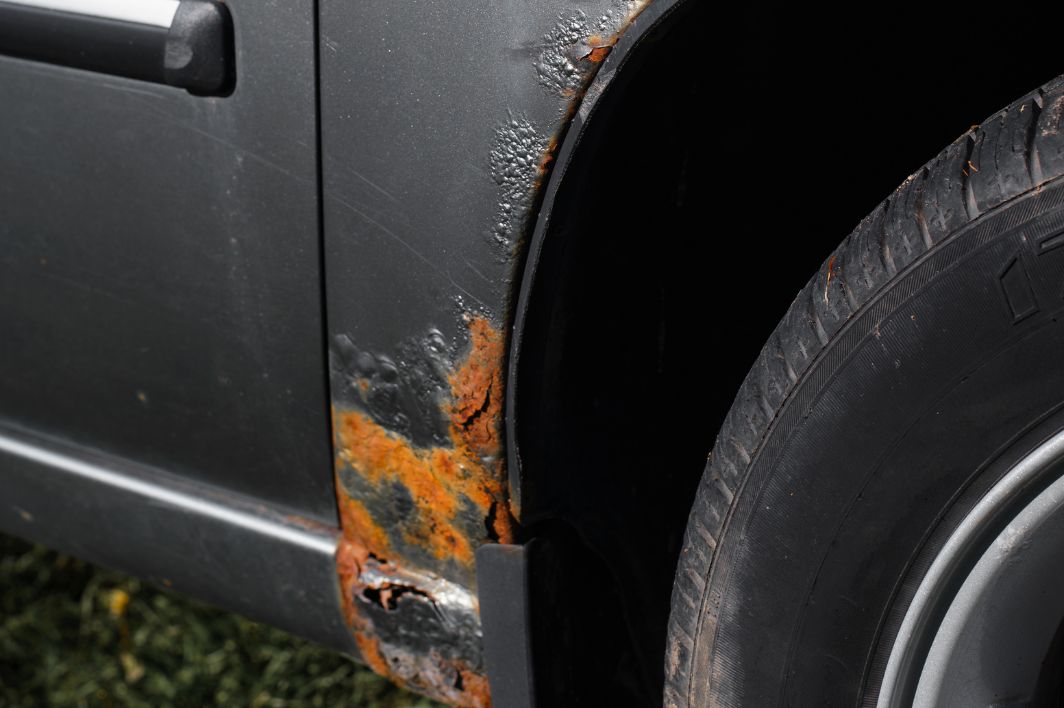
Beyond keeping up appearances, washing your car regularly is vital for its health and longevity. Dirt, bird droppings, tree sap, dust and environmental pollutants can all cause serious damage to your car's paintwork and bodywork. These agents act as abrasives, scratching the surface and creating tiny imperfections where corrosion can take hold. A clean car also improves visibility — something that's simply non-negotiable when it comes to safe driving.
A step-by-step guide to washing your car like a professional
Whether you prefer washing your car by hand or you'd rather take advantage of the convenience of a car wash tunnel, these are the essential steps for a professional-quality finish:
Step 1: Pre-wash — removing surface dirt
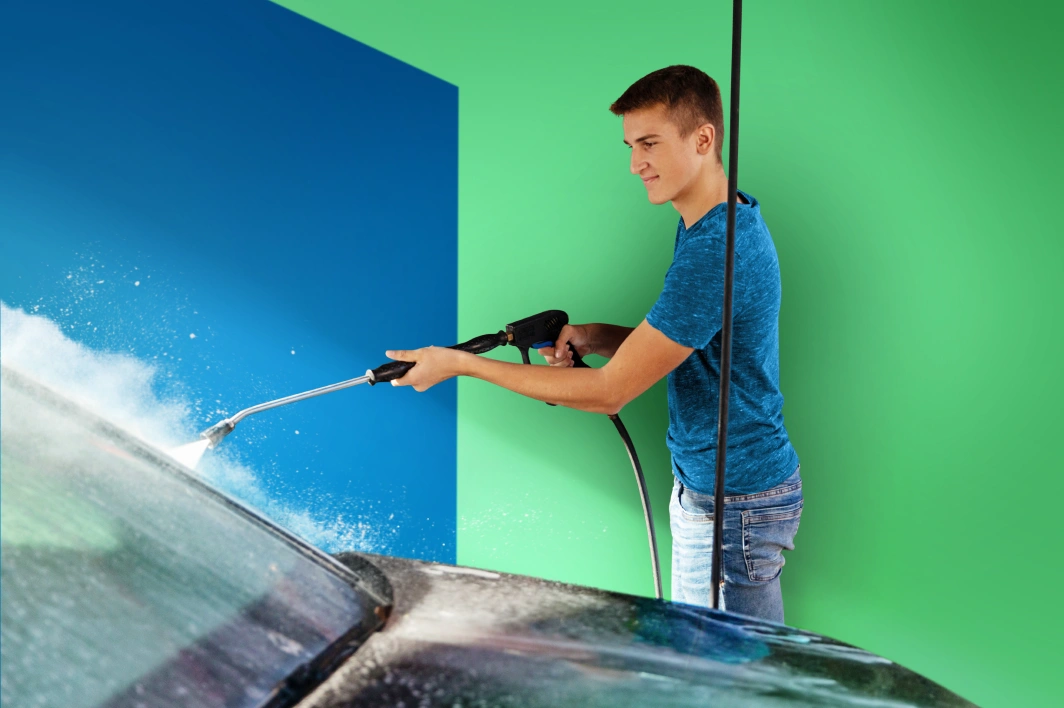
Before you get into the main wash, it's essential to clear away any surface dirt. Use a hose with a pressure nozzle to rinse the car down, removing dust, leaves, insects and other debris. If the dirt is particularly stubborn, you can apply a dedicated pre-wash product — such as an active foam — to loosen the grime and make it easier to remove.
Step 2: Cleaning the wheels and tyres
Wheels and tyres collect a surprising amount of dirt and need specific attention. Use a brush and a suitable wheel cleaner to remove brake dust, grease and other residue. Scrub thoroughly, making sure you reach every nook and cranny.
Step 3: Washing the bodywork
Now for the main event. Use a dedicated car shampoo and the two-bucket method: one bucket with water and shampoo, and another with clean water to rinse your sponge or microfibre mitt. Work across the bodywork in sections, starting from the roof and moving down towards the dirtier lower areas. Rinse your sponge or mitt frequently in the clean water bucket to avoid dragging grit across the paint.
Step 4: Thorough rinsing
Once you've washed the bodywork, rinse it down with plenty of water, making sure all traces of shampoo are completely removed. If you're using a hose, start from the roof and work downwards so the water carries the dirt away as it flows.
Step 5: Drying without water marks
Drying is a crucial step if you want a professional finish. Use a clean, dry microfibre towel to absorb the water and prevent water spots from forming. Work in sections, using gentle movements and avoiding excessive rubbing.

Extra details for an impeccable finish
Beyond the core steps for a thorough clean, there are a few additional details worth considering if you want truly showroom-worthy results.
Polishing and waxing: when and how to do it
For an extra shine and added paint protection, you might want to consider polishing and waxing your car. Polishing removes minor imperfections and light scratches, while wax creates a protective layer that repels water and dirt. Carry out both processes after washing, following the product manufacturer's instructions.
Interior cleaning
Don't neglect the inside. Vacuum the carpets and seats, and wipe down the dashboard and door panels with a damp cloth and a product designed for interior surfaces. A clean interior isn't just more pleasant to be in — it also prevents the build-up of dust and dust mites.
Underbody wash
In winter, salt, snow and mud can accumulate underneath your car — and even if you can't see it, this build-up can cause corrosion and damage to the bodywork. A thorough underbody wash removes all that residue, protecting your car and extending its lifespan. It also makes passing your MOT that much easier: clean underbody components can be properly inspected, helping to ensure road safety. You can get this done at a car wash tunnel that offers the option, or, if you prefer, at home with a hose and a bit of patience. Your car will thank you for it.
Common car washing mistakes and how to avoid them
- Washing in direct sunlight: Water dries too quickly, leaving stubborn water marks. Wash your car in the shade or on a cloudy day.
- Using non-specialist cleaning products: Household cleaning products can damage paintwork and plastic trims. Always use products specifically designed for cars.
- Not rinsing the sponge or mitt often enough: Dirt trapped in the sponge can scratch the paint. Rinse it frequently in a bucket of clean water.
- Rubbing too hard when drying: Excessive pressure can scratch the paint. Dry with light, gentle movements using a microfibre towel.
- Using a single bucket: Dipping a dirty mitt back into your soapy water contaminates it and significantly increases the risk of scratching the paintwork. Always use the two-bucket method.
- Using the wrong products or techniques on upholstery: Not all upholstery is the same. Using the wrong product or scrubbing too hard can stain or wear out the fabric. For cloth seats, use a dedicated upholstery cleaner and a soft brush. For leather, opt for a conditioner and a microfibre cloth. For vinyl, a gentle cleaner and a soft sponge will do the job.
Frequently asked questions about washing your car
We've covered how to wash a car properly — but a few common questions always come up. Here are the answers to the most frequent doubts, so you can keep your vehicle in perfect shape without any guesswork.
How often should I wash my car?
The ideal frequency depends on how much you use your car and the environmental conditions. As a general rule, washing every two weeks is recommended — or at least once a month.
Is it better to wash by hand or use a car wash tunnel?
Both have their merits. Washing by hand gives you greater control over the process, while a car wash tunnel is faster and more convenient. If you opt for a tunnel wash, make sure it's a quality facility that uses products that won't harm your car's finish.