Index
The rules on washing your car in the street
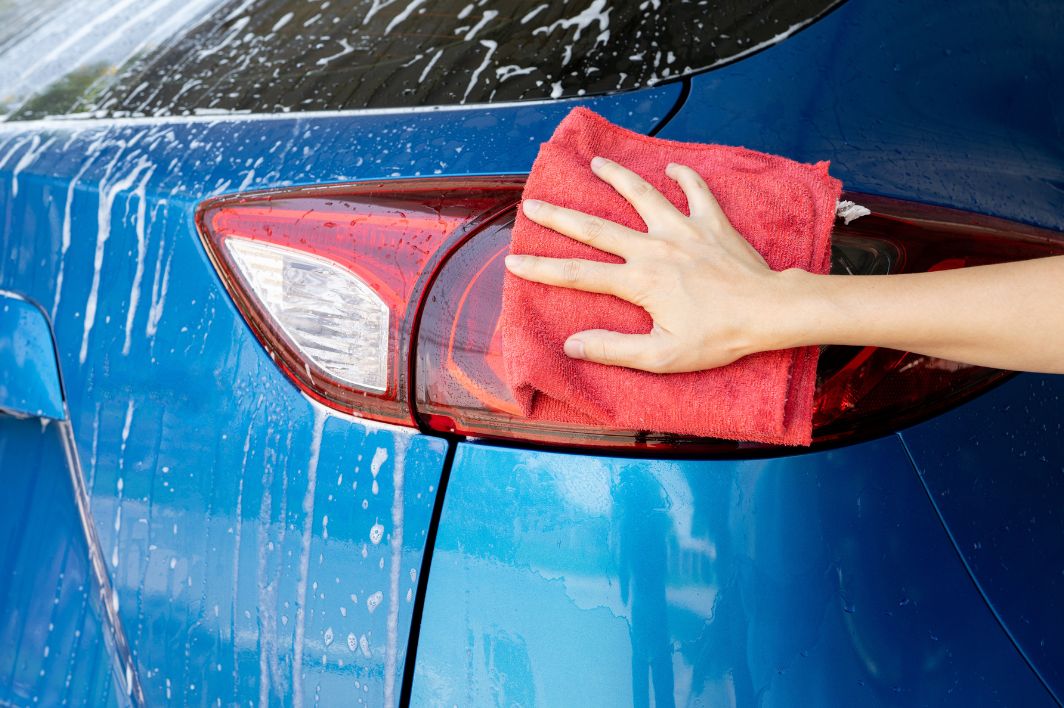
Spanish legislation doesn't explicitly ban car washing in public spaces at a national level, but local council bylaws can — and do — regulate it. Each municipality has the authority to set its own rules on the use of public space, water consumption and environmental protection.
In general, most local bylaws allow car washing in the street, provided certain conditions are met:
- No polluting chemical products are used (soaps, detergents, waxes) that could contaminate the drainage system or the ground.
- The public highway is not obstructed and no nuisance is caused to neighbours.
- Water is not wasted, particularly during periods of drought restrictions.
That said, many municipalities prohibit street car washing outright — especially when cleaning products are involved. So before you reach for the hose, it's well worth checking the specific bylaws in your area.

What does the law say about chemical products?
This is one of the most important points to understand. Washing your car with water alone — no soap or detergent — tends to be permitted in more places, though not universally. The issue arises when chemical products enter the picture, as these can contaminate wastewater and harm the environment.
Soaps and detergents contain substances that, once they reach the drainage system, can have a damaging effect on water treatment plants. For this reason, many local bylaws explicitly prohibit the use of cleaning products in public spaces.
In some cases, even pouring out excessive amounts of water can be considered an infringement — if done irresponsibly or during periods of water restriction.
Fines for washing your car in the street
Penalties for washing your car in the street vary considerably from one municipality to another. Fines can range from €30 to €750, depending on the severity of the offence and whether polluting products were used.
Factors that can increase the penalty include:
- Pouring chemical products onto a public road.
- Blocking traffic or pedestrian flow.
- Breaching water consumption restrictions during drought periods.
- Repeat offences.
To avoid any unpleasant surprises, your safest bet is to check with your local council — or simply explore the more responsible alternatives available.
Legal and responsible alternatives for washing your car
If you've checked your local regulations and found that street washing isn't allowed, don't worry. There are several practical, convenient and environmentally friendly options to consider.
Professional car wash facilities
Automatic car wash tunnels and hand wash centres are the safest and most thorough option. These facilities are equipped with wastewater treatment systems that prevent pollution and comply with all environmental regulations.
Many of them also use biodegradable products and water-saving techniques, making them a more sustainable choice than washing at home. At Moeve Service Stations, you'll find high-quality car wash services that take care of both your vehicle and the planet.

Dry or waterless washing
Waterless car washing is a growing trend — and for good reason. It involves specialist spray products that clean, polish and protect the bodywork without using any water at all. It's perfect for a quick touch-up between full washes and can be done at home without breaking any rules.
One thing to bear in mind: this method isn't suitable when your car is heavily soiled, as dragging dirt across the surface with a cloth could scratch the paintwork.
Private parking or communal garage
If you have access to a private parking space or communal garage, you can wash your car there — as long as you have permission (in the case of shared facilities) and you're not breaching your building's community rules. Make sure you also avoid using any products that could damage the drainage system or the surrounding infrastructure.
Tips for washing your car responsibly
If your local regulations permit home car washing and you decide to go ahead, here are a few tips to make sure you do it the right way:
Choose eco-friendly products
Go for biodegradable soaps and products specifically designed for vehicle washing. Steer clear of household detergents — they tend to be far more aggressive than necessary.
Keep an eye on water use
Use a bucket instead of a running hose to cut down on water consumption. You can also opt for sponges with a built-in shut-off valve to help control the flow more easily.
Pick the right time
Wash your car on a cloudy day or early in the morning to prevent the water from evaporating too quickly — which would mean using more than necessary. As a bonus, you'll avoid disturbing your neighbours during their rest hours.
Keep up with regular maintenance
Keeping your car in good shape goes beyond the occasional clean. Regular checks on mechanical systems, fluid levels and tyres are just as important as exterior care. A well-maintained vehicle lasts longer and keeps you safer on the road.
Frequently asked questions
Here are answers to some of the most common questions about washing your car in the street:
Can I use soap to wash my car in the street?
In most cases, no. As mentioned above, the use of soaps and detergents on public roads is prohibited due to their environmental impact. A professional car wash centre is the better option.
How often should I wash my car?
It depends on how you use it and the conditions you drive in, but washing your car every two to three weeks is generally recommended. If you regularly drive on roads with salt, mud or heavy pollution, more frequent washes will help protect the bodywork.
Is waterless washing effective?
Yes — but mainly for light upkeep. If your car is heavily dirty, a full water wash at a specialist centre is the better call.
So, can you wash your car in the street? The answer depends on where you live and how you go about it. While some areas do permit it under certain conditions, the safest and most responsible choice is always a professional car wash facility — where your vehicle gets the care it deserves, with no legal or environmental risk. A clean car doesn't just look better; it holds up better over time too. Look after it and enjoy every kilometre of the ride.