Index
How does air conditioning affect your car's fuel consumption?
To understand how air conditioning uses fuel, we first need to look at how the system actually works in a car. Unlike heating, which makes use of residual heat from the engine, air conditioning requires extra energy to cool the air. It draws that energy from the engine via a compressor connected by a belt. When the compressor kicks in, it places an additional load on the engine, which translates directly into higher fuel consumption.
When does air conditioning use the most fuel?
The impact of air conditioning on fuel consumption varies depending on a number of factors:
- Outside temperature: The hotter it is, the harder the air conditioning has to work to cool the cabin, which drives up consumption.
- Vehicle speed: At lower speeds, the impact of air conditioning is more noticeable. At higher speeds, the aerodynamic drag caused by open windows can actually outweigh the fuel cost of running the AC.
- Car size: Larger cars need more energy to cool their interiors.
- Air conditioning settings: Cranking the temperature down to its lowest setting or running the fan at full speed increases consumption.
- System maintenance: A poorly maintained air conditioning system, with leaks or low refrigerant levels, forces the compressor to work harder, pushing fuel use up further.

Myths and facts
There are plenty of popular beliefs surrounding air conditioning and its effect on fuel consumption. Let's set the record straight on a few of them:
"Air conditioning uses a lot of fuel, so it's better to just put up with the heat"
Air conditioning always uses energy, but in certain situations, such as motorway driving at high speed, using it can actually be more efficient than opening the windows, thanks to the aerodynamic drag that open windows create.
"Switching air conditioning on and off uses less fuel than leaving it running"
On short trips, turning it off can save a little fuel. However, on longer journeys, maintaining a steady temperature tends to be more efficient, as the compressor does not have to work at full capacity to cool the car from scratch.
"Air conditioning doesn't affect fuel consumption in modern cars"
While modern air conditioning systems are considerably more efficient than older ones, they still consume energy and, therefore, fuel. The difference is that the impact is smaller, but it has not disappeared entirely.

How to reduce fuel consumption when using air conditioning
Now that you know the truth about air conditioning and fuel use, here are some practical tips to help minimise its impact:
- Be strategic about when you use it: On short trips or at low speeds, consider opening the windows instead of switching the AC on.
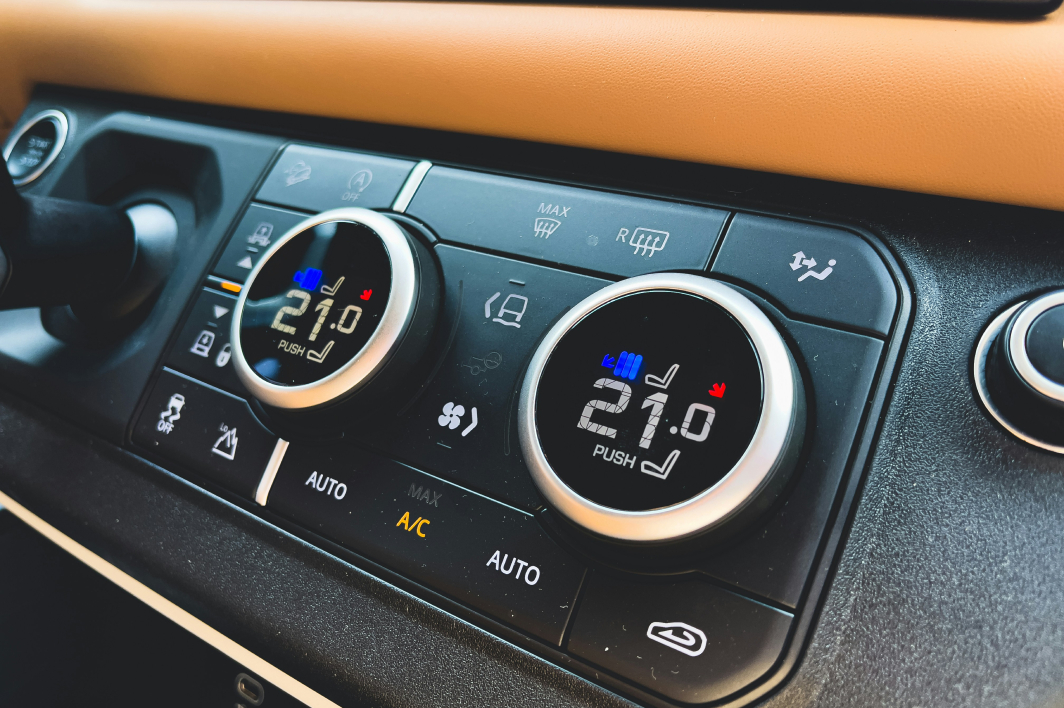
- Adjust the settings wisely: Don't blast the air conditioning at its coldest setting straight away. Start at a moderate temperature (around 24°C) and adjust gradually from there.
- Use recirculation mode: This setting cools the air already inside the car rather than drawing in hot air from outside, reducing the strain on the compressor.
- Combine AC use with other fuel-saving habits: Keep your tyres properly inflated, avoid harsh acceleration and sudden braking, and keep up with regular car maintenance.
- Keep the system well maintained: Make sure your air conditioning system has the correct refrigerant level. Running low forces the compressor to work harder, reducing fuel efficiency.
Is it more efficient to use air conditioning or open the windows?
We touched on this briefly above: the answer depends on your speed. At lower speeds (below 60 km/h), opening the windows is generally the more efficient option, as aerodynamic drag is minimal. At higher speeds, air conditioning tends to come out on top, as wind resistance significantly increases fuel consumption.
In short, air conditioning does increase fuel consumption, but with smart driving habits and proper maintenance, you can keep its impact to a minimum and enjoy a comfortable, efficient journey.