Index
Why is putting gasoline in a diesel engine a problem?
Diesel and gasoline engines operate differently, and each requires fuel with specific properties. Unlike gasoline, diesel acts as a lubricant for the injection pump and other components of the fuel system. Gasoline, being much drier, reduces lubrication and can cause significant damage to a diesel engine's injection system, which is designed to work with the lubricating properties of diesel fuel.
In modern diesel engines that use high-pressure injection systems like Common Rail, the lack of lubrication can cause severe damage to injectors, the high-pressure pump, and other sensitive components. These systems are engineered to function with the viscosity and lubricating properties of diesel, and gasoline can disrupt this balance, leading to premature wear and costly breakdowns.
How to tell if you've put gasoline in a diesel engine
Detecting the error quickly is crucial for minimizing damage. Watch for these warning signs:
- The smell: Gasoline has a distinct odor from diesel. If you notice an unusual smell while refueling, be suspicious.
- The color: Though not always easy to see, gasoline is lighter in color than diesel.
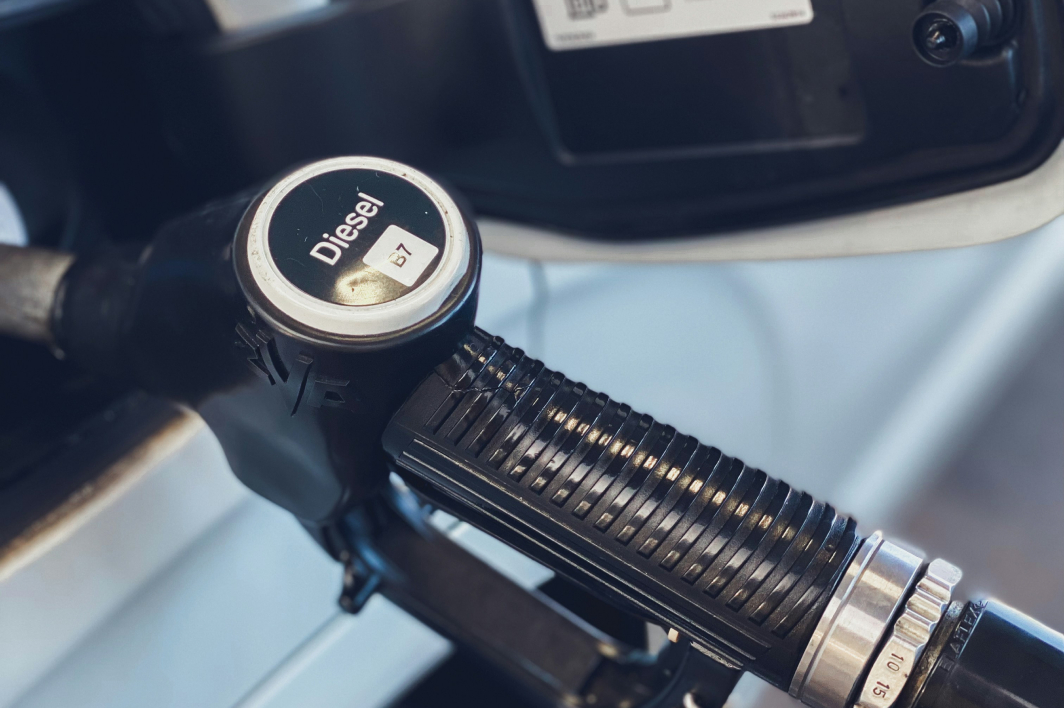
- The nozzle: This is likely the easiest and fastest way to know what you're pumping, or what you've already pumped. Pay close attention to the nozzle's color and the fuel label. Better safe than sorry.
- The spout: Spout sizes vary depending on the fuel type. Gasoline spouts have a smaller diameter than diesel spouts. That's why it's more common to mistakenly fill a diesel with gasoline rather than the other way around: the diesel pump nozzle is wider and won't fit into a gasoline car's tank.
- Vehicle behavior: If you've started the engine and driven even a short distance, you'll notice strange noises, jerking, and a loss of power. In more severe cases, the vehicle may stall completely.

What to do after putting gasoline in a diesel engine
If you catch the mistake before starting the engine, congratulations! You've avoided more serious damage. Follow these steps:
- Don't start the engine: Don't even turn the key.
- Notify the service station attendant: They will help you manage the situation safely.
- Call your insurance company: Most insurance policies cover this type of incident and will provide assistance.
- Request a tow: Have your vehicle taken to a specialized workshop.
If you realize the mistake after starting the engine, the situation becomes more complicated, but there's still room for action:
- Stop the vehicle: Find a safe place to pull over as soon as possible.
- Don't try to keep driving: The farther you drive, the worse the damage.
- Call roadside assistance: They will guide you through the next steps and arrange for a tow.
Procedure for draining the tank and cleaning the fuel system
At the workshop, they will follow these steps:
- Draining the tank: They will remove all contaminated fuel from the tank.
- Cleaning the fuel system: They will thoroughly flush the entire system, including lines, filters, and the injection pump.
- Replacing the fuel filter: Changing the filter is essential to ensure no gasoline residue remains.
- Inspecting and cleaning the injectors: In some cases, it will be necessary to inspect and clean the injectors to remove any gasoline residue.
- Refueling with diesel: They will refill the tank with quality diesel, such as our Moeve MAX diesel, which contains additives to protect and clean the engine.

How much can the mistake of putting gasoline in a diesel engine cost?
Repair costs depend on how much gasoline you added and whether you drove the vehicle. Here's an estimate of the expenses:
- If you haven't started the engine: The cost will be limited to draining the tank and cleaning the system, ranging from €100 to €300.
- If you drove a short distance: Repairs may include system cleaning, fuel filter replacement, and injector inspection, with costs between €500 and €1,500.
- If you drove several kilometers: The damage can be substantial, affecting the injection pump, injectors, and other engine components. In this case, repairs could exceed €3,000.
Ultimately, it's important to contact your insurance company, as some policies cover this type of incident. Review your policy terms to determine if you're covered and what steps you need to take. Take care of your car!