Index
Why is it important to clean your windscreen wiper blades?
It might seem like a minor detail, but clean wiper blades are essential for several reasons that go well beyond aesthetics:
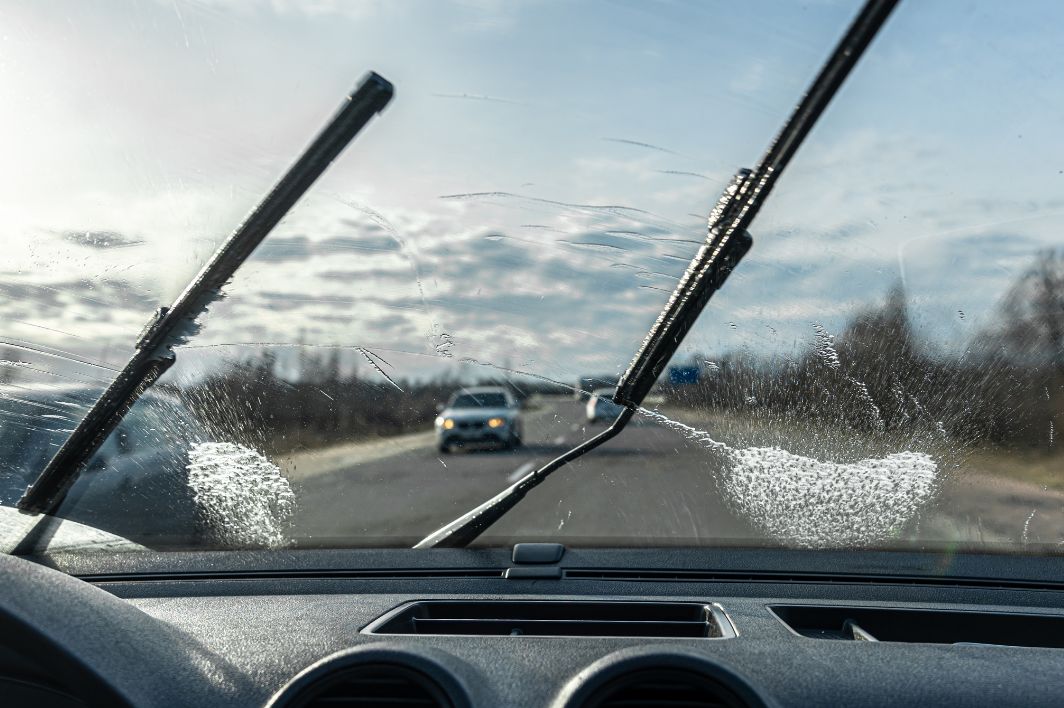
- Safety first: Clear visibility is your best co-pilot. Dirty blades don't clear water properly, leaving streaks and blurry patches that dramatically reduce your field of vision, especially at night or when driving in the rain.
- Longer lifespan: Dirt, dust and small insects that build up on the rubber act like sandpaper, causing premature wear and potentially scratching the windscreen glass.
- Optimal performance: A clean rubber blade is a flexible blade. This ensures the wiper conforms perfectly to the curve of the windscreen, sweeping water away evenly and without leaving any residue.
- Savings: An efficient system uses less windscreen washer fluid.
When should you clean your wiper blades?
Your car gives you clear signals. If you notice any of the following symptoms, it's time to give your wipers a few minutes of attention.
Squeaking or squealing when in use
If every time you switch on your wipers you hear an annoying squeak, it's a sure sign that the rubber is dirty or dried out. The friction of hardened rubber against the glass is what causes that sound.
Streaks or smears on the windscreen
This is the most obvious sign. If the blades leave water lines or unwiped patches after each pass, it means the dirt built up on the rubber is preventing even contact with the glass.
Uneven movement or poor clearing
Do the blades judder or skip, leaving whole sections of the windscreen unwiped? This happens when the rubber has lost its flexibility due to dirt or wear, stopping it from gliding smoothly across the glass.
Tips for cleaning your windscreen wiper blades
Cleaning your wiper blades is a quick and straightforward process that you can easily add to your regular car maintenance routine. Let's get started!
What you'll need
- Two microfibre cloths (one for cleaning, one for drying).
- A bowl of warm water.
- Isopropyl alcohol, white vinegar or a dedicated glass cleaner.
Step 1: Lift and secure the blades
With the car switched off, carefully lift the wiper arms until they sit perpendicular to the windscreen. Most cars allow you to lock them in this position to make cleaning easier.
Step 2: Initial rubber clean
Dampen one of the microfibre cloths with warm water and run it gently along the full length of the wiper rubber. Repeat several times, rinsing the cloth to remove the accumulated dirt. You'll notice the cloth darkening as it picks up the grime.
Step 3: Deep clean
Now dampen a corner of the clean cloth with a little isopropyl alcohol or white vinegar diluted in water. Run the cloth along the wiper rubber from one end to the other, without applying too much pressure. These products are excellent at removing grease residue, tree sap and more stubborn grime that water alone simply can't shift.
Step 4: Dry and final check
Using the second, completely dry microfibre cloth, wipe the wiper rubber dry. Take the opportunity to give it a visual inspection. Look for cracks, deformations or areas where the rubber appears hardened or brittle. If you spot any damage, cleaning won't be enough and it will be time to replace them.

Common mistakes when cleaning wiper blades
There are a few mistakes that often crop up when it comes to keeping wiper blades clean. Here's what to watch out for:
- Using harsh chemical products: Products such as ammonia or general-purpose household cleaners not designed for cars can dry out and damage the wiper rubber, shortening its lifespan.
- Using kitchen roll or rough cloths: These can leave cellulose residue or even scratch the rubber. Always opt for microfibre.
- Forgetting to clean the windscreen: There's little point in having spotless blades if the windscreen is covered in dirt that will soil them again on the very first swipe. A clean windscreen is just as important as gleaming tyres.
- Applying too much pressure: Wiper rubber is delicate. Aggressive cleaning can deform or damage it.
When should you replace your windscreen wiper blades?
Although regular cleaning extends their life, wiper blades don't last forever. Sun, cold and constant use gradually wear them down. As a general rule, it's recommended to replace them once a year, or sooner if you notice any of the following symptoms even after cleaning them:
- Streaks or unwiped patches persist.
- Squeaking does not go away.
- The rubber shows cracks, has hardened or become deformed.
Additional tips for keeping your wiper blades in good condition
As well as knowing when to replace your windscreen wiper blades, keep these tips in mind if you want to keep them in the best possible shape:
- Never use them on a dry windscreen: Running the wipers on a dry screen increases friction and accelerates wear. Always use windscreen washer fluid.
- Watch out for ice and snow: Never use the wiper blades to clear ice or snow from the windscreen. You risk damaging both the rubber and the wiper motor.
- Park in the shade: Whenever possible, avoid leaving your car in direct sunlight for long periods. UV rays are the number one enemy of wiper rubber.
- Clean regularly: Include wiper blade cleaning in your regular car wash routine to keep them always performing at their best.
- Apply a rain repellent treatment: There are specific products that create an invisible layer on the windscreen to repel water. With these, raindrops bead and roll off much more easily, especially at road speeds. This not only improves visibility but also reduces how often you need the wipers, extending their lifespan.
- Moeve Service Station: Visit one of our stations to pick up a dedicated cleaner and take the opportunity to give your vehicle a full wash with our Moeve Wash experience.

Frequently asked questions about cleaning windscreen wiper blades
We know that even with the best guide, specific questions always come up. To make sure you have everything covered before you get started, we've put together the most common queries.
What products are best for cleaning wiper blades?
The ideal option is a dedicated car glass cleaner or isopropyl alcohol. Both are effective at removing grease and dirt without damaging the rubber.
Can I use vinegar to clean wiper blades?
Yes, white vinegar diluted in water is a practical and effective home remedy. Its acidity helps break down dirt and grease. Just make sure to rinse it off thoroughly afterwards.
How often should I clean my wiper blades?
Once a month is a good guideline, or whenever you notice performance starting to drop. It takes no more than five minutes and has a significant impact on your safety.
The road always has surprises in store, but a clear view of it shouldn't be one of them. Looking after your wiper blades is a small gesture that gives you back control in the face of the elements, turning every raindrop into nothing more than a minor detail of the journey. Because in the end, the best safety technology is the one that lets you see the road ahead with complete clarity, kilometre after kilometre.