Índice
The main types of tyres and what sets them apart
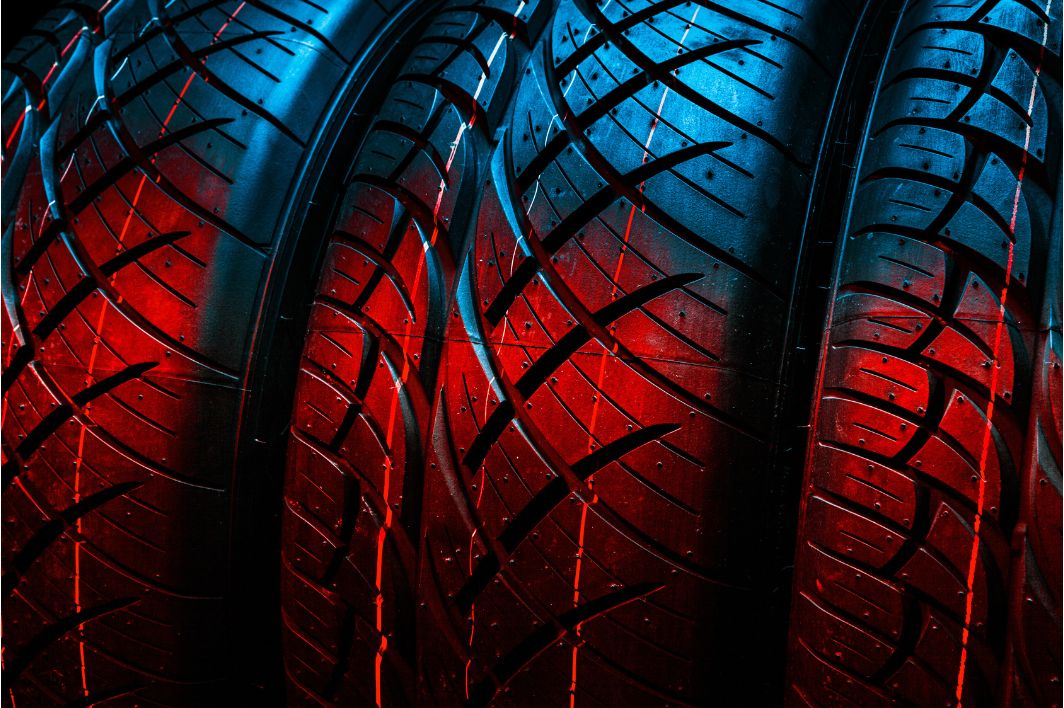
Each type of tyre is engineered with specific rubber compounds and tread patterns to deliver the best performance under particular conditions. Getting to know their characteristics will help you make a more informed choice.
Summer tyres
These are the most common choice in countries with mild climates like Spain. Made from a harder rubber compound that softens slightly in the heat, summer tyres deliver excellent grip on both dry and wet roads during the warmer months. Their tread design — featuring fewer grooves than winter tyres — maximises contact with the road surface, improving traction and braking performance. However, below 7°C, the compound stiffens considerably, causing a noticeable loss of grip and efficiency.
Winter tyres
Built to tackle the harshest conditions winter can throw at you, these tyres are the safest option for temperatures below 7°C, heavy rain, ice and snow. Their rubber compound is softer and more flexible, allowing them to maintain elasticity and grip in cold weather. The tread features deeper grooves and a greater number of sipes — tiny cuts in the tread blocks — that act like claws to channel away water and bite into snow and ice. If you regularly drive in icy or snowy conditions, winter tyres are an essential safety investment.
All-season tyres (4 estaciones)
As the name suggests, all-season tyres are a versatile compromise designed to perform reliably throughout the year. They blend the properties of both summer and winter tyres, offering solid performance across a wide range of temperatures and conditions — from summer heat to moderate rain and light snowfall. They're an excellent choice for drivers who live in areas with mild winters and prefer not to think about swapping tyres every season.
Performance tyres
Designed for speed enthusiasts and high-performance driving, performance tyres prioritise maximum grip and precision. They typically feature a lower profile, stiffer sidewalls and an ultra-soft rubber compound that clings to the tarmac with remarkable tenacity. The result is sharper steering response, greater cornering stability and shorter braking distances. The trade-off? Lower durability and, in some cases, reduced wet-weather performance compared to a conventional summer tyre.
Off-road tyres
If adventure off the beaten track is your thing, off-road tyres are your best ally. Designed for 4x4s and SUVs, they feature a reinforced construction and a deep, chunky tread pattern capable of taking on the toughest terrain — mud, sand, rocks and gravel. They offer outstanding traction on uneven surfaces, though their on-road performance is more limited, generating more noise and higher fuel consumption.

What to consider when choosing a tyre
Now that you know the key types, how do you pick the right one? The decision comes down to a combination of personal and environmental factors.
Climate and weather conditions
This is the most decisive factor. If you live in an area with cold winters and regular snowfall, winter tyres are the safest choice. If you enjoy mild weather year-round, summer tyres will serve you well. For variable climates with gentle winters, all-season tyres strike a very sensible balance.
Driving style
Do you mostly drive in the city, cover long motorway miles, or enjoy pushing your car on mountain roads? Your driving style matters. For urban, everyday driving, durability and efficiency are key. For long journeys, comfort and low noise levels become more important. And if you're after a sportier experience, you'll want tyres that deliver maximum grip.
How often you use your vehicle
The number of kilometres you cover each year is also worth factoring in. If you drive daily over long distances, tyre durability will be a priority — you won't want to be replacing them too often. If your car use is more occasional, you can afford to lean towards tyres that focus more on seasonal performance.
Your budget
Tyre prices vary considerably depending on type, brand and size. Premium-brand tyres tend to offer higher performance and longer life, but come at a higher cost. That said, there are quality mid-range options that offer excellent value for money. Set your budget, but always keep this in mind: tyres are a direct investment in your safety.
The European label: efficiency, safety and noise
Since 2021, the European Union has required a standardised label on all new tyres. Clear and easy to read, this label provides valuable information across three key performance areas:
- Fuel efficiency: Rated from A (most efficient) to E (least efficient). An 'A'-rated tyre requires less engine energy to roll, which translates into lower fuel consumption.
- Wet grip: Also rated from A (best grip) to E (poorest grip). This measures braking performance on wet tarmac — a crucial difference for your safety.
- External noise: This pictogram shows the noise level in decibels (dB), classified as:
- Class A: Below the future European limit.
- Class B: Between the future limit and 3 dB below it.
- Class C: Exceeds the future European limit.
The label may also include additional pictograms indicating whether the tyre is suitable for snow (three-peak mountain snowflake symbol) or icy conditions.
How do tyre types affect fuel consumption?
Yes, your tyres have a significant impact on what you spend at the pump. The key factor is rolling resistance. A tyre with low rolling resistance requires less engine power to move the car, resulting in lower fuel consumption. Summer tyres — and particularly so-called 'eco' tyres — are designed to minimise this resistance.
Winter tyres, on the other hand, with their deeper tread and softer rubber, have higher rolling resistance, which can slightly increase consumption. Similarly, how you load your luggage affects aerodynamics and fuel efficiency.

Frequently asked questions about tyre types
Can I use winter tyres all year round?
It's not recommended. While it's technically possible, it's neither safe nor practical. Winter tyres are made from a softer compound that wears down very quickly in the heat, drastically shortening their lifespan. Furthermore, their performance on dry roads is inferior to summer tyres.
Is it compulsory to change tyres with the seasons?
In Spain, there is no national law requiring seasonal tyre changes. However, fitting winter tyres (marked with M+S and the snowflake symbol) exempts you from using chains on roads where they are required. Ultimately, it's a matter of safety and convenience.
How long do tyres last, depending on type?
Longevity varies. How long your tyres last depends on your driving style and vehicle maintenance. As a general rule, quality summer tyres can last between 40,000 and 60,000 km, while winter tyres typically have a somewhat shorter lifespan due to their compound.
What happens if I use the wrong type of tyre for my vehicle?
Using the wrong tyre is genuinely dangerous. It negatively affects stability, braking distance and vehicle response. It can also cause premature wear on the tyres and suspension. Regularly checking tyre pressure and minimum tread depth is essential.
In short, choosing the right tyres is a decision that directly affects your safety, your comfort and your wallet. Investing in the right tyres means investing in peace of mind on every journey.