Index
Does starting your car without revving save fuel?
The answer is a resounding yes. In modern vehicles, starting the engine without touching the accelerator avoids unnecessary fuel consumption. Today's cars are equipped with electronic fuel injection systems and engine management technology far more sophisticated than anything found in older models.
This means the car's Engine Control Unit (ECU) automatically adjusts the air-to-fuel ratio needed for an optimal start — no need to press the accelerator at all.
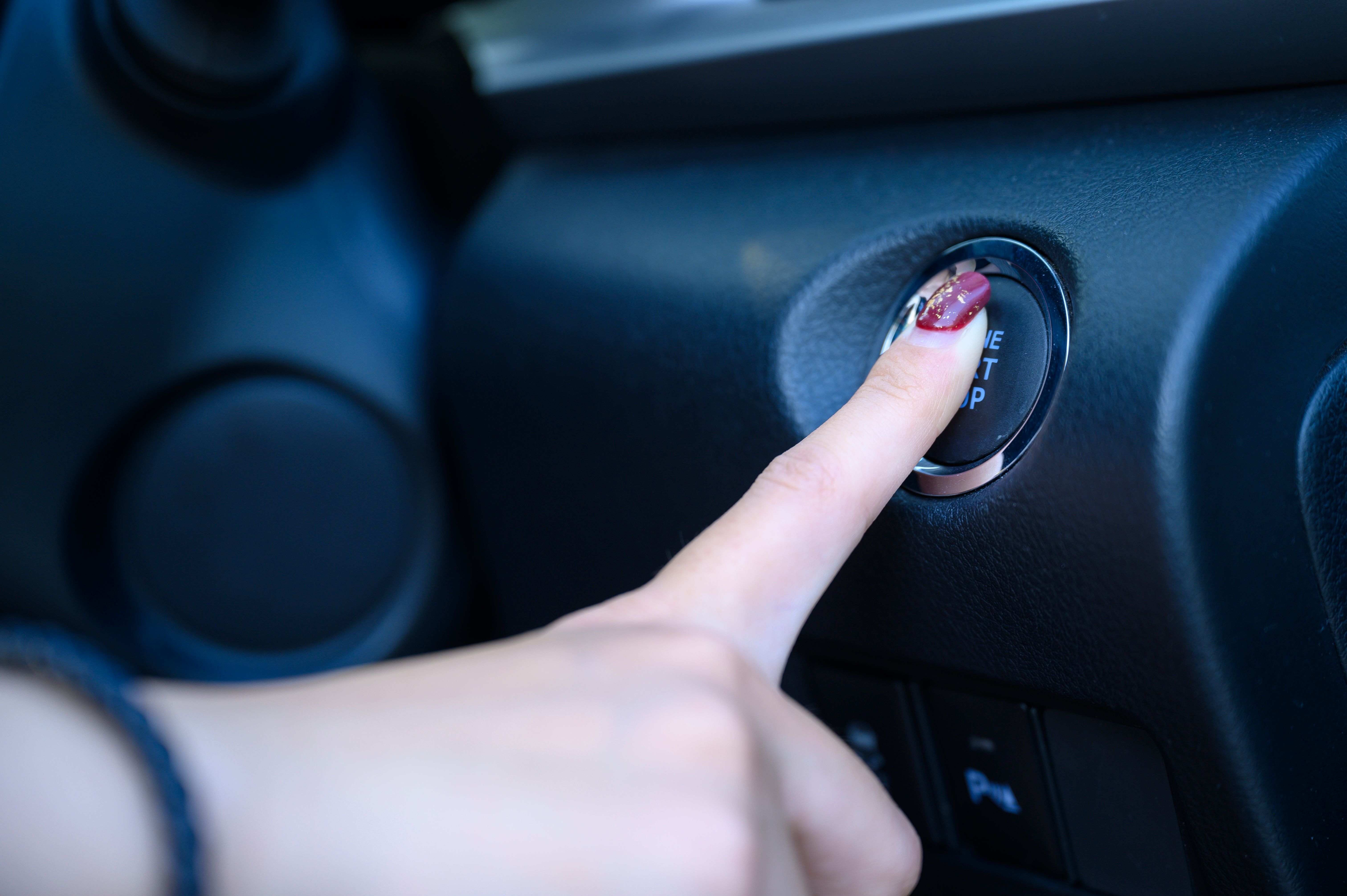
When you turn the key or press the ignition button, the car's electronic system calculates the exact amount of fuel the engine needs to start efficiently. Revving the engine at this point is not only unnecessary — it can actually be counterproductive.
Why you shouldn't rev your engine when starting the car
As we've just touched on, revving a modern engine at start-up is far from helpful. In fact, it can have a negative impact on both fuel consumption and the longevity of certain components.
What happens when you rev at start-up: more fuel, more wear
When you press the accelerator as you start the car, you're forcing a greater fuel injection than the engine actually needs at that moment. This results in:
- Higher fuel consumption: The excess petrol or diesel doesn't burn efficiently — it's wasted, driving up your instant fuel use.
- Increased engine wear: The engine receives more fuel than it's ready to handle at that stage, which can lead to incomplete combustion and added stress on its internal components.
- Higher emissions: Inefficient combustion produces more pollutant gases, with a direct impact on the environment.
Consequences for the engine, catalytic converter and your bank account
The downsides of revving at start-up go beyond immediate fuel waste. Over time, this habit can lead to:
- Carbon build-up: Unburned fuel can leave carbon deposits in the engine and exhaust system, affecting key components such as injectors and the catalytic converter. This can result in reduced performance and costly repairs.
- Catalytic converter damage: The catalytic converter, which transforms harmful exhaust gases into less toxic substances, can be damaged by receiving an excess of unburned fuel. Repairing or replacing it doesn't come cheap.
- Greater long-term expense: While the extra fuel used on each start-up may seem negligible, the cumulative effect over time — combined with the potential cost of future breakdowns — adds up to a significant financial hit.
Where does the myth of revving at start-up come from?
The habit of pressing the accelerator when starting the car has its roots in older vehicles, particularly those with carburettors. In those cars, revving was necessary to "prime" the engine with fuel and help it fire up — especially in cold weather or after the vehicle had been sitting idle for a while.
But automotive technology has moved on enormously. Modern electronic fuel injection systems, now standard on virtually all cars as we've noted, handle fuel delivery with pinpoint precision — removing any need for the driver to intervene. Like so many old habits, this one simply no longer applies in the age of efficiency.
How much fuel do you actually save by not revving at start-up?
There's no single universal figure — it depends on the car model, fuel type and conditions — but studies and manufacturer recommendations consistently agree that starting the engine without revving avoids unnecessary fuel consumption and contributes to meaningful savings over time.
For example, a car at idle can consume between 0.5 and 1 litre of fuel per hour. If every unnecessary rev at start-up wastes a few extra millilitres, the total over a year can be surprisingly significant. And by avoiding carbon build-up and premature component wear, you're also sidestepping future repair bills that could be far more costly.

Other good habits when starting your car
Beyond avoiding unnecessary revving, there are several other practices worth adopting to keep your car in good shape and cut down on fuel use:
Should you press the clutch?
If you drive a manual car, pressing the clutch when starting is a good habit. It disconnects the engine from the transmission, reducing the load on the starter motor and making the ignition process smoother. In automatic cars, this isn't necessary.
Wait a few seconds before pulling away
Once the engine is running, it's worth waiting a few seconds — anywhere from 30 seconds to a minute — before setting off, particularly in cold weather. This gives the engine oil time to reach its optimal temperature and properly lubricate all the moving parts, reducing wear in the process.
Tips for cold climates or diesel engines
In cold conditions, diesel engines may need a little extra time to start, as the glow plugs need to warm up first. Wait until the glow plug warning light goes out before attempting to start the engine. For both petrol and diesel in general, extreme cold can affect fuel performance — though in Spain, this is rarely a serious concern.
Want to save even more on every journey?
At Moeve, we're committed to helping you save money and look after the environment. Alongside these good habits at start-up, here's what we offer to help you go further:
- Our latest-generation fuels: Designed to optimise engine performance and reduce consumption. Discover the quality of Moeve MAX 95 and 98.
- Loyalty programmes: Make the most of our savings options at every fill-up. With Moeve gow, you can accumulate credit and access exclusive discounts.
- Eco-driving tips: Learn more about efficient driving and how to calculate your car's fuel consumption to maximise your savings.
- Electric mobility: If you're thinking about making the switch, find out how and where to charge.

Starting your engine without revving is a small action — but combined with other good habits, it can make a real difference to both your finances and your car's lifespan. At Moeve, we're with you every kilometre of the way, helping you enjoy a smarter, more responsible journey.