Index
What does the law say about motorhome parking in Spain?
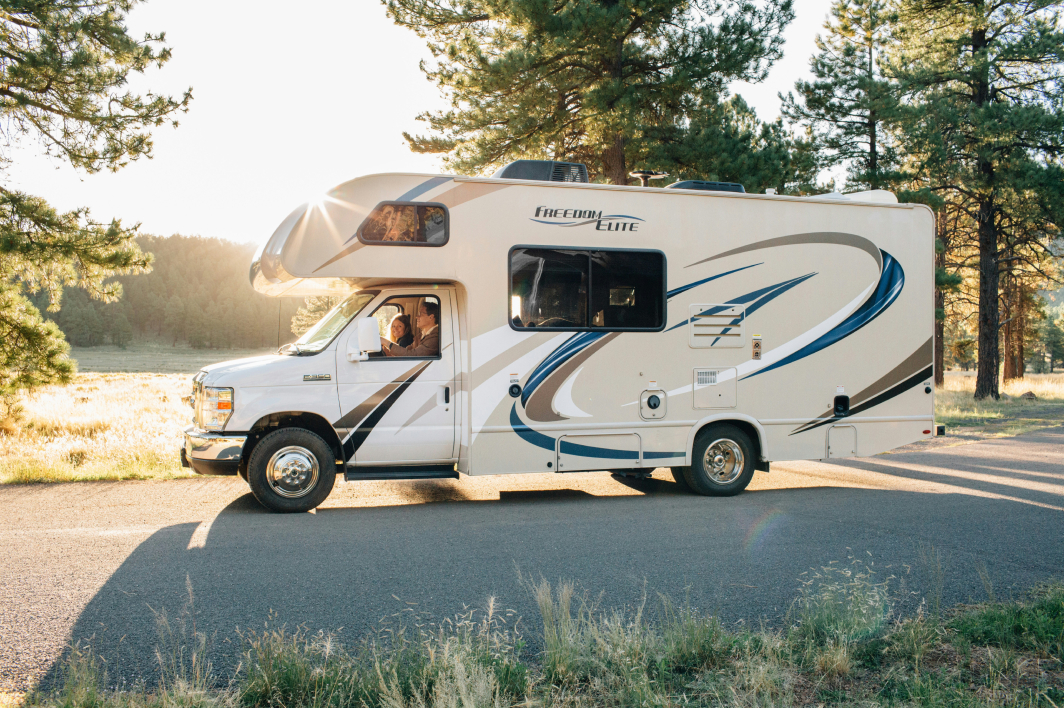
Motorhome parking regulations in Spain are based on DGT Instruction 08/V-74 (issued by Spain's Directorate General of Traffic), which establishes that motorhomes may park under the same conditions as any other vehicle, provided they do not exceed road markings and do not engage in activities considered to constitute camping.
However, this instruction leaves room for interpretation by local councils, which has created a significant disparity in criteria and restrictions across different municipalities.
What are the main restrictions?
Although general regulations permit motorhome parking, there are certain restrictions you need to be aware of in order to avoid fines. According to information provided by the DGT, the key lies in distinguishing between parking, staying overnight, and camping:
- Parking: This refers to the simple act of stopping the vehicle, with no contact with the ground other than its tyres (no wheel chocks or stabiliser legs deployed).
- Staying overnight: This refers to spending the night inside the vehicle, without deploying any elements that extend beyond its perimeter.
- Camping: This involves putting out awnings, tables, chairs, or any other item that extends activity outside the vehicle.
The DGT permits parking and staying overnight, but prohibits camping outside designated areas, as outlined above.
Restrictions in urban areas and residential zones
In general, motorhomes may park in urban areas and residential zones provided they comply with the traffic and parking regulations applicable to any other vehicle. This means they must respect parking space dimensions, maximum parking times, and no-parking signs.
However, it is essential to bear in mind that each local council may establish its own specific rules, so we strongly recommend consulting the municipal bylaws of the area where you plan to park.
Prohibitions on roads and public highways
On roads and public highways, motorhomes may not engage in any activity considered to constitute camping. Such activities are only permitted at authorised campsites and designated camping areas.
Considerations for parking in protected areas and nature parks
Protected areas and nature parks typically have specific regulations regarding the parking and overnight stays of this type of vehicle. Make sure you research these regulations before parking in such areas, both to avoid fines and to protect the natural environment.
Where can you legally park a motorhome in Spain?
Fortunately, Spain offers a wide variety of options for motorhome parking, from service areas to designated camping zones.
Service areas and motorhome-specific car parks
Service areas and dedicated motorhome car parks are the most convenient and secure option for parking yours. These locations typically offer services such as drinking water, electricity, grey and black water disposal, security, and Wi-Fi.

Designated camping areas for motorhomes
Campsites and designated camping areas for motorhomes are the ideal option if you want to enjoy nature and take part in outdoor activities. These locations usually offer services such as marked pitches, toilets, showers, laundry facilities, and recreational areas.
Digital tools to help plan your route
Since travelling by motorhome involves planning a route that incorporates legal parking and camping areas, there are several tools that can help you map out the best path — combining enjoyment with the peace of mind of staying within the law:
- Park4Night: This collaborative app is a true gem for motorhome travellers. It lets you find service areas, campsites, free and paid overnight stops, and even hidden gems shared by fellow travellers. You can browse reviews and photos from other users to get a feel for each location — but remember, the information is community-generated, so always verify local regulations before you camp.
- Campercontact: Similar to Park4Night, this app offers an extensive database of motorhome areas and campsites across Europe, including Spain. You can check ratings, available services (electricity, water, waste disposal) and prices.
- CaraMaps: This app lets you plan your route, find service areas and campsites, and share your own discoveries with the community. It provides detailed information about the services available at each location, such as laundry facilities, restaurants and supermarkets.
- Google Maps y Waze: These navigation apps are essential for reaching your destination. Although they don't offer motorhome-specific features, you can set up your route with the stops most relevant to your journey. Do be cautious, however, and avoid routes with height or weight restrictions or narrow roads. You can also search for service areas and petrol stations along your route and save them as stops.
What to do if you receive a fine for parking your motorhome?
Receiving a fine is never pleasant, but it's important to know how to respond if you believe it's unjust.
How to appeal a motorhome parking fine
If you receive a parking ticket for improperly parking your motorhome, you have the right to appeal it. To do so, follow these steps:
- Review the fine carefully: Check that all the information is correct (licence plate, date, time, location, and alleged infringement).
- Identify the issuing authority: Determine whether the fine was issued by the local police, the Guardia Civil, or a private company.
- Draft your appeal: Submit a written statement including your personal details, your vehicle details, the fine's reference number, and your arguments. Include supporting evidence such as photos or videos.
- Submit the appeal: Hand in your appeal to the issuing authority and request proof of receipt.
- Await the outcome: The authority will review your appeal and issue a decision. If the outcome is unfavourable, you may take the matter to court.
To avoid fines in the first place, we recommend consulting local municipal bylaws, respecting traffic signs, and using authorised service areas or campsites.
Differences between a caravan and a motorhome
Finally, although the regulations are virtually identical, it is worth drawing a key distinction between motorhomes and caravans.
While the two terms are sometimes used interchangeably, in the context of parking legislation in Spain, the regulations typically refer specifically to motorhomes — self-contained vehicles with their own engine and built-in living facilities.
Caravans, being trailers that must be towed by another vehicle, are subject to the specific restrictions applicable to trailers.
In short, motorhome and caravan parking law in Spain may seem complex, but with the right information and a little planning, you can enjoy your travels with complete peace of mind.
Find out more
If you would like to read the motorhome parking regulations in greater detail, visit this link for DGT Instruction 08/V-74 (document in Spanish): https://www.autocaravanas.es/wp-content/uploads/2016/08/DGT_Instruccion_08-V-74_Autocaravanas_2076.pdf