Index
The short answer: what does current legislation say?
Let's get straight to the point: as things currently stand, Spain's Directorate General of Traffic (DGT) does not require riders to wear gloves when riding a motorcycle. The only piece of protective equipment that is legally mandatory is an approved helmet.
This means that if an officer stops you at a routine checkpoint, they cannot fine you for not wearing gloves. However, this situation is under constant review. The DGT, as part of its road safety strategy, has raised the possibility on several occasions of making gloves compulsory, following the lead of other European countries such as France, where they are already required by law.
The future of the regulations: will gloves soon be compulsory?
All signs point to yes. The DGT has expressed its intention to include gloves as mandatory equipment in future reforms to the General Traffic Regulations. The reason is straightforward: it is well established that wearing gloves dramatically reduces the severity of hand injuries in the event of an accident. While that reform is still in the pipeline, it pays to get ahead of the curve. If you're already familiar with the latest motorcycle helmet regulations, you'll know that safety legislation is always evolving towards greater protection.
Can I be fined for not wearing motorcycle gloves?
As we've already clarified, you cannot be penalised for this during general road use. But be aware: there is one important exception. Gloves are compulsory during the practical tests to obtain any motorcycle licence (AM, A1, A2 and A).
If you turn up to the riding test without approved gloves, the examiner will not allow you to take it and you will be marked as "fail". So, while gloves may not be required for everyday riding (for now), they are required to obtain the licence that will allow you to ride in the first place.
Beyond the rules: why should you always wear gloves?
The real question isn't whether they're compulsory. It's: why wouldn't you protect yourself? Your hands are your primary tools at the handlebars, and in a fall, your first instinct will be to use them to brace the impact. Here are three compelling reasons to make gloves your closest riding companion.
Protection in a fall
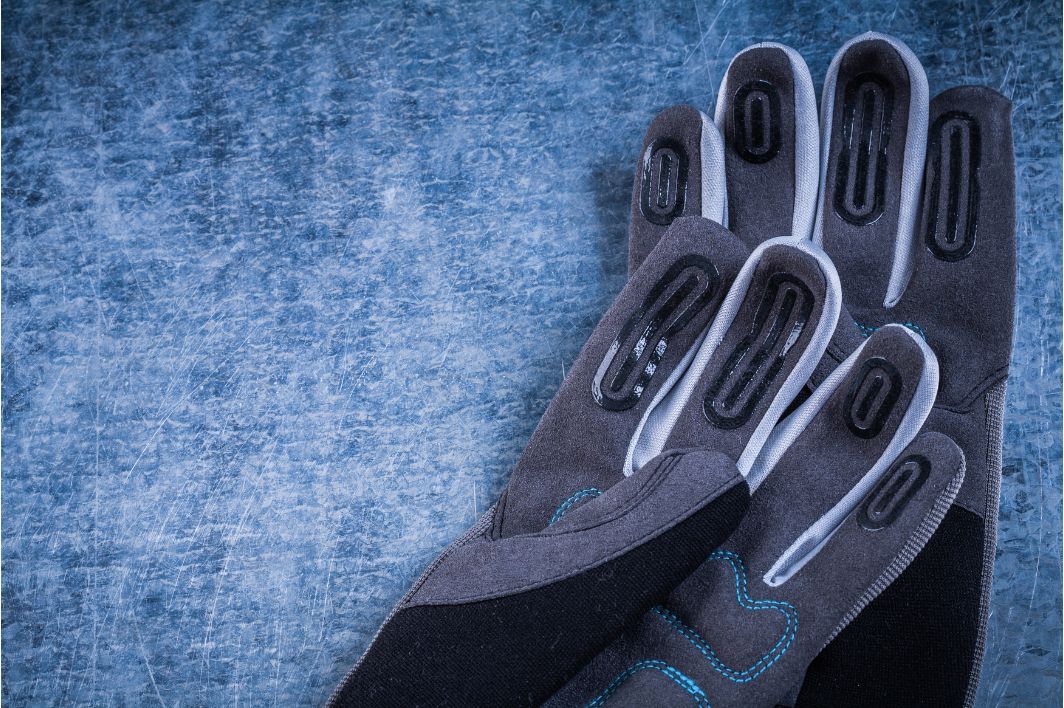
In a fall, even at low speed, the natural reflex is to put your hands down to absorb the impact. Tarmac is extremely abrasive and can cause serious wounds, friction burns and fractures. Approved motorcycle gloves are designed with reinforcements on the knuckles, phalanges and palm to absorb impact and resist abrasion, protecting both your skin and your bones.
Better grip and handlebar control
Your hands control the throttle, the brake, the clutch and the steering. Sweat in summer or rain can make the handlebars slippery, compromising your reaction time. Gloves improve your grip, giving you firmer, more precise control over the bike. This isn't just about comfort; it's active safety.
Protection against the elements
Riding in winter with cold hands is genuinely dangerous. Numbness reduces your sensitivity and the speed of your movements, which can prove critical in an emergency. A good pair of winter gloves protects you from the cold and the damp. In the same way, in summer, ventilated gloves keep sweat from becoming a distraction and shield your hands from the sun, preventing burns. If you're mindful of the precautions for riding in the rain, protecting your hands is one of them.

How to choose the right motorcycle gloves
Not all gloves are created equal. Forget woolly gloves or cycling gloves. You need gloves made specifically for motorcycling. Here's a quick guide:
- Certification: This is the most important factor. Look for the "CE" marking and the code EN 13594:2015. This guarantees that the gloves have passed resistance tests.
- Material: Leather offers the best abrasion resistance, while textile materials (such as Cordura) tend to be more versatile, comfortable and often waterproof.
- Type by season:
- Summer: Short-cuff gloves with perforated fabric for good ventilation.
- Winter: Long-cuff gloves to cover the wrist, with a thermal lining and waterproof membrane (such as Gore-Tex).
- Protective elements: Make sure the gloves include rigid or semi-rigid knuckle protection, as well as reinforcements on the palm and fingers.
- Fit: They should be snug but not tight, allowing you to move your fingers freely. A glove that is too large or too small will reduce your sensitivity and control.
Frequently asked questions about motorcycle gloves
Here are answers to some of the most common questions riders have.
Will any type of glove do for riding?
No. Fitness gloves or DIY gloves are not designed to protect you in a fall. They would disintegrate on first contact with the tarmac. You should always use gloves specifically designed for motorcycling that meet European certification standards.
How do I know if a pair of gloves is certified?
Check the inner label. It should show a motorcyclist pictogram, the letters "CE" (European Conformity) and, typically, the standard code EN 13594. If you can't find this information, treat the gloves' protective capability with scepticism.
The decision to wear gloves comes down to a principle of proactive safety. Just as no one would consider setting off without a helmet, making gloves part of your standard riding kit is one of the smartest habits any motorcyclist can adopt. Every ride, however short or long, becomes a safer and more enjoyable experience for it.