Index
What is a trailer and what is it used for?
A trailer is a non-self-propelled vehicle designed to be towed by a motor vehicle — a car, van, truck or similar. Its primary purpose is to expand load capacity, enabling the transport of everything from parcels and tools to heavy machinery or other vehicles.
Choosing the right trailer is absolutely critical. It has a direct impact on:
- Road safety: An unbalanced trailer or one carrying excessive weight affects the stability and braking capacity of the towing vehicle.
- Legal compliance: Driving with a trailer that doesn't meet regulations can result in significant fines and vehicle immobilisation.
- Transport efficiency: Using the right trailer optimises fuel consumption and protects the cargo.
Types of trailers and their characteristics
The main classification of trailers is based on their Maximum Authorised Mass (MAM) — a concept we'll explore in detail shortly. Broadly speaking, they fall into three categories.
Light trailers
These are the most common type, used for both personal and professional purposes that don't involve heavy loads. A trailer is considered light when its MAM is 750 kg or less.
Their main advantage is simplicity — both in administrative terms and day-to-day use:
- No separate registration plate required: They can travel using the same plate as the towing vehicle.
- No independent insurance required: They are covered by the towing vehicle's policy (though it is strongly advisable to notify your insurer).
- No separate roadworthiness test (ITV): They are inspected alongside the towing vehicle during its periodic technical inspection.
They are ideal for transporting tools, small gardening equipment, luggage or even for carrying extra baggage on long trips.
Heavy trailers
This is where things get more professional. A trailer is considered heavy when its MAM exceeds 750 kg. The differences from light trailers are significant, and knowing them is essential:
- Own registration plate: They must carry their own red registration plate, in addition to that of the towing vehicle.
- Mandatory insurance: They require an independent third-party liability insurance policy.
- Own ITV: They must undergo their own roadworthiness test at the required intervals.
- Driving licence: Depending on the total weight of the combination, a standard Category B licence may not be sufficient — a B+E or higher may be required (C+E for trucks).
Specialist trailers
Beyond the weight-based classification, there is a wide variety of trailers designed for specific loads — the majority falling within the heavy category:
- Flatbeds or low loaders: For transporting construction or agricultural machinery.
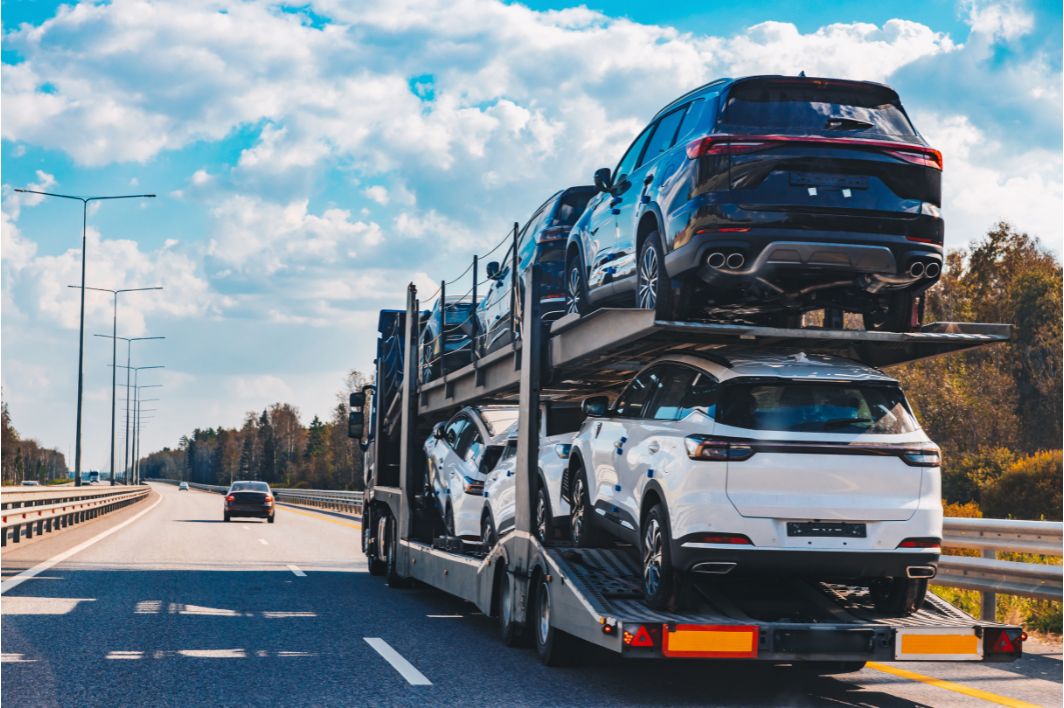
- Car transporters: Specifically designed to carry other vehicles.
- Tankers: For liquids, ranging from water to fuel or chemical products.
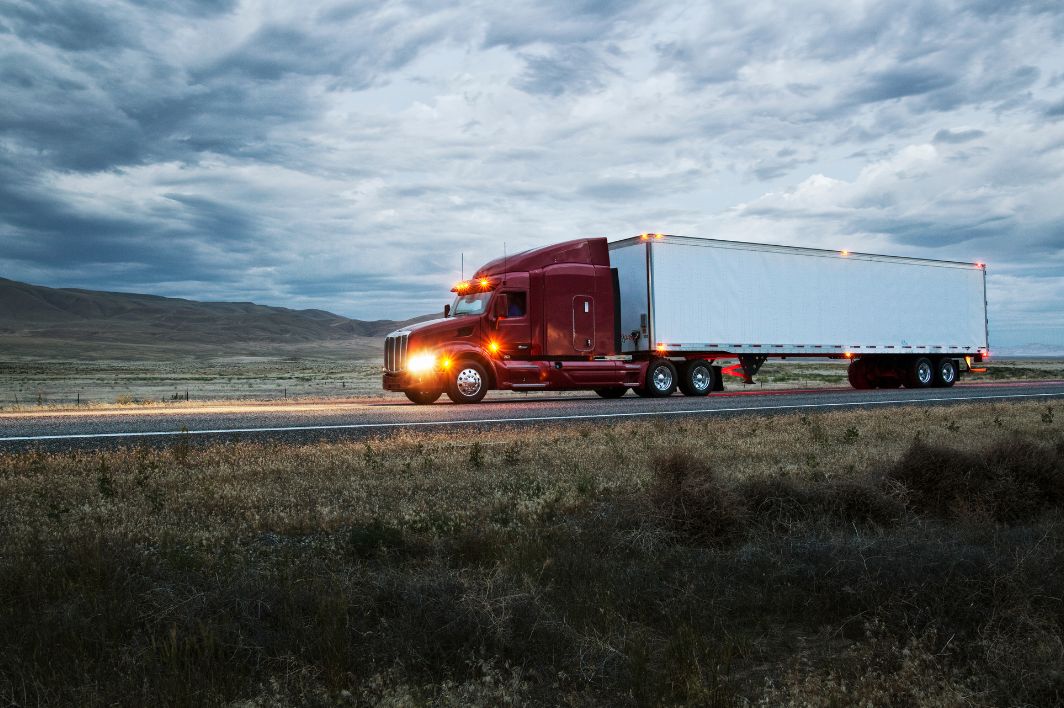
- Refrigerated trailers: Equipped with cooling systems to maintain the cold chain.
- Tipper trailers: Allow the load to be tipped out — highly practical in construction and agriculture.
- Trailers for motorcycles, boats or horses: Fitted with guides, supports and purpose-built structures for safe transport.
At Moeve, we understand that road transport professionals have very specific needs. That's why we've evolved our Starressa card range into Moeve pro — a family of business fuel cards designed to streamline fleet management, keep costs under control and maximise profitability on every route.
What is a trailer's MAM and why does it matter?
The MAM (Maximum Authorised Mass) is one of the most important concepts in the world of towing. It is defined as the maximum weight a trailer may reach when loaded — the sum of the trailer's kerb weight (its weight when empty) plus the payload it can carry.
This figure is fundamental for both safety and legal compliance. Exceeding the MAM can lead to:
- Loss of vehicle control.
- Increased stopping distances.
- Tyre blowouts.
- Structural damage to the trailer chassis or the towing hitch.
- Financial penalties and immobilisation of the entire vehicle combination.
To find your trailer's MAM, simply check its technical data sheet. You should also be aware of the Maximum Combination Mass (MCM) — the maximum total weight of the towing vehicle plus the loaded trailer combined — which can be found in your car or truck's technical documentation.
Trailer regulations in Spain
Spain's DGT (Directorate General of Traffic) sets out clear regulations for driving with a trailer. Every professional has an obligation to know them.
Registration: As outlined above, a separate red plate is mandatory for heavy trailers (MAM > 750 kg). Light trailers use a copy of the towing vehicle's plate.
Driving licences:
- Category B: Allows towing of light trailers (up to 750 kg), and also heavy trailers provided the combined MAM of the car and trailer does not exceed 3,500 kg.
- B-96 authorisation: Required when the combination (car + heavy trailer) exceeds 3,500 kg but stays below 4,250 kg.
- B+E licence: Mandatory when the combination exceeds 4,250 kg.
Speed limits: Maximum permitted speeds are reduced when towing:
- 90 km/h on motorways and dual carriageways.
- 80 km/h on conventional roads.
- 50 km/h in urban areas.
Signage: If the vehicle and trailer combination exceeds 12 metres in length, a V-6 sign must be displayed at the rear of the trailer — one or two rectangular panels with a yellow background and red borders.
Tips for choosing the right trailer
Choosing the right trailer goes far beyond simply matching load capacity — it's an investment in safety, efficiency and profitability. To make the right call first time, we recommend working through the following key points before making a decision.
- Assess your load: What will you typically be transporting? Choose a specialist trailer if the cargo requires it — motorcycles, liquids and so on.
- Check your vehicle's towing capacity: Consult your car or van's technical data sheet to find the Maximum Towing Mass (MTM) it is rated to pull.
- Don't cut it too fine on MAM: It's always better to have a load margin than to risk exceeding the MAM.
- Put safety first: Make sure the trailer has an adequate braking system if it's heavy (inertia brakes) and that its lighting system is in full working order.
Frequently asked questions about trailer types
Day-to-day life in transport is full of nuances. That's why we've pulled together answers to some of the most common questions — so you can get on the road with complete confidence.
What happens if I exceed my trailer's MAM?
Exceeding the MAM is a serious offence. The consequences range from fines of up to €4,000 to the immobilisation of the vehicle. Beyond the legal implications, you are putting your own safety and that of other road users at serious risk — an overloaded trailer makes vehicle behaviour unpredictable.
What documents do I need to carry for my trailer?
The required documentation depends on the type of trailer:
- For light trailers (MAM ≤ 750 kg): It is sufficient to carry the towing vehicle's technical data sheet, which must confirm that an approved tow hitch is fitted. The trailer itself has no documentation of its own.
- For heavy trailers (MAM > 750 kg): As they are classified as independent vehicles, they must carry their own documentation, including: the trailer's registration certificate, its ITV (roadworthiness test) card, and proof of a valid compulsory insurance policy.
Your trailer is far more than an add-on — it's an extension of your vehicle and your working capacity. Knowing you have the right equipment, that you're fully compliant with every regulatory requirement, and that your load is travelling safely: that's the peace of mind that lets you focus on what truly matters — the road ahead.