Index
Sleeping in your car: is it legal in Spain?
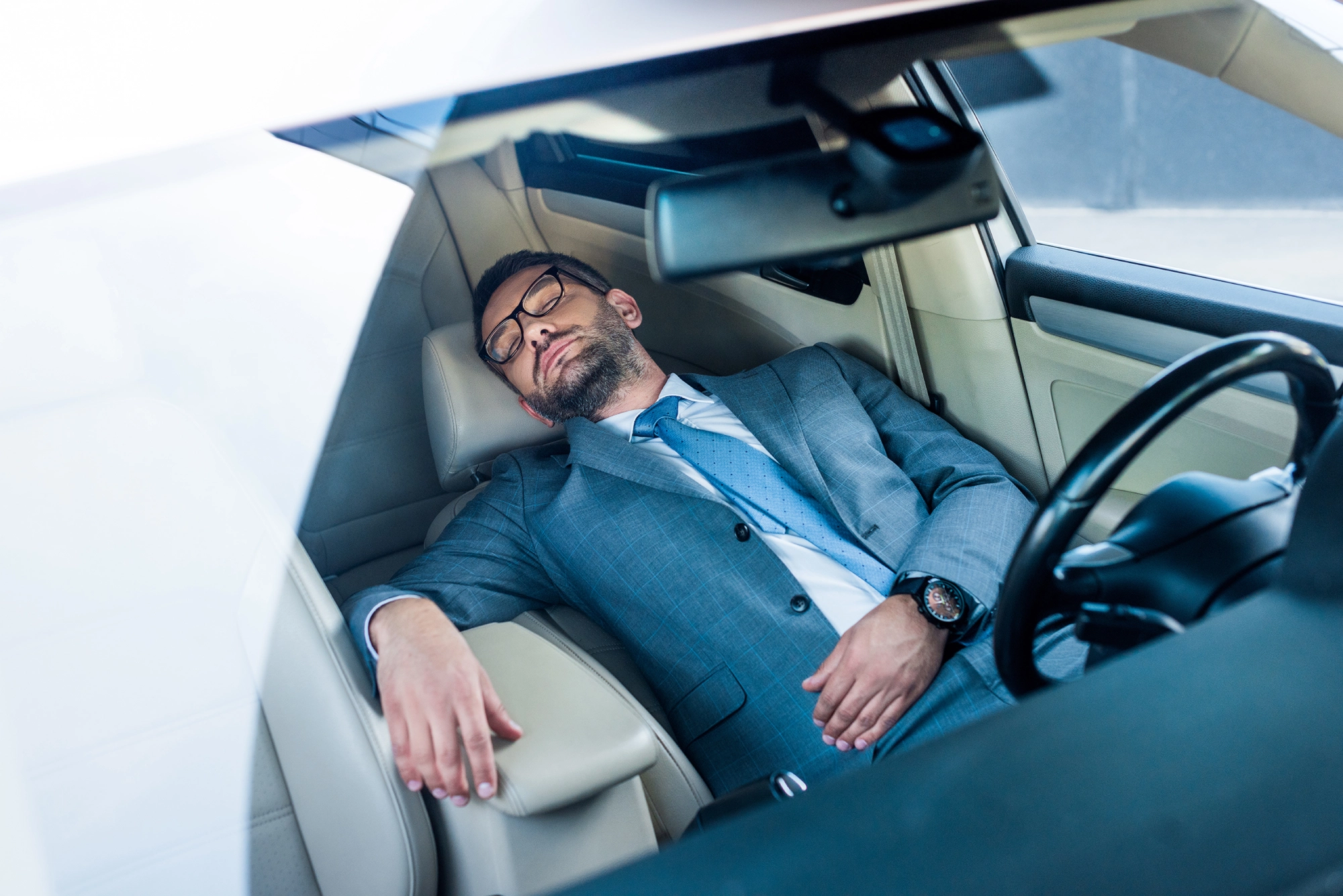
Whether you can sleep in your car is one of the most common questions among drivers. The answer, as is often the case with the law, comes with nuances. In Spain, general traffic regulations do not explicitly prohibit sleeping inside your vehicle, as long as it is properly parked and what is considered "camping" does not take place.
What the traffic and road safety regulations say
The key lies in how the Road Traffic, Motor Vehicle Circulation and Road Safety Act is interpreted, along with the General Traffic Regulations. These rules focus on road safety and public order. As long as your vehicle is correctly parked, within the bounds of the parking space and without any elements extending beyond its perimeter, you are considered to be simply parked, not camping.
It is essential that the vehicle is parked in a permitted location, in compliance with traffic signs and local parking rules. This means not blocking traffic, not parking in prohibited or loading and unloading zones, and not exceeding any applicable maximum parking times.
The difference between staying overnight and camping
This is where confusion often arises, and where the line between what is legal and what can lead to a fine becomes a little blurrier:
- Staying overnight: this refers to sleeping or spending the night inside the vehicle. If you are inside your car, van or motorhome without deploying any external elements (such as awnings, tables, chairs, wheel chocks or stabiliser legs), you are considered to be parked. In this case, your vehicle is treated like any other car parked on a public road.
- Camping: this involves setting up elements that extend beyond the vehicle's perimeter, such as putting out tables and chairs, opening awnings, extending stabiliser legs, or discharging liquids (grey or black water) outside. This is regulated and, in most cases, prohibited outside areas specifically designated for it, such as campsites or motorhome areas.
The distinction is key: as long as your vehicle remains in its parked configuration and does not "take over" the public space with external elements, sleeping inside it should not be grounds for a penalty.

When can you get fined for sleeping in your car?
While sleeping overnight in your vehicle is not in itself illegal, there are certain situations that can lead to a fine. Knowing them is essential to avoid trouble and enjoy your rest without worry. We have already touched on a few of these, so let's look at them in more detail.
If you are badly parked
The most common offence is not about sleeping, but about how and where your vehicle is parked. If you park in a prohibited spot, obstruct traffic, take up a pedestrian area or exceed the maximum permitted parking time, you are at risk of a fine. This is the same situation any badly parked vehicle would face, regardless of whether someone is sleeping inside it or not.
If you disturb public order or cause a nuisance
Here we move into the territory of covert camping or antisocial behaviour. If, while sleeping in your car, you:
- Deploy external elements: putting out chairs, tables, awnings or even wheel chocks that extend beyond the vehicle's perimeter is considered camping and is prohibited outside designated areas.
- Make noise or cause disturbances: playing loud music, speaking loudly during the night, or any behaviour that disrupts the peace of nearby residents or other road users.
- Discharge liquids: emptying grey or black water onto public roads is a serious offence and highly polluting.
- Leave waste: dropping rubbish or any kind of waste outside the vehicle.
Any of these actions can result in a fine, as they are considered improper use of public space.
If you breach local bylaws or municipal regulations
It is worth bearing in mind that, although national traffic regulations are permissive when it comes to overnight stays, local councils have the authority to set their own bylaws. Some areas, particularly tourist destinations or coastal towns, may have stricter rules around parking large vehicles or spending the night in certain locations. It is always advisable to check local regulations before deciding where to spend the night.
Where can you sleep in your car without risking a fine?
Now that you know what to avoid, the good news is that there are plenty of safe and legal options for spending the night in your car without any worries.
Designated rest areas
Rest areas on main roads are your best allies. They are designed precisely for drivers to stop, rest and recharge. Many of them offer basic facilities such as toilets and picnic areas.
Motorway service stations
Service stations are an excellent place to spend the night. As well as offering safety and security, they typically provide a wide range of services to make your stop as comfortable as possible: shops, restaurants, toilets and, in many cases, electric vehicle charging points and car wash facilities. They offer a familiar and reliable setting for a safe rest. At Moeve, our Near me finder helps you locate our nearest service stations along your route.

Dedicated motorhome and overnight parking areas
If you are travelling in a motorhome, it is worth knowing that more and more municipalities are setting up dedicated parking areas for motorhomes and camper vehicles, which can often be used by cars for overnight stays as well. These spaces are usually signposted and sometimes offer services such as water points or grey water disposal.
How much could a fine cost you for sleeping while badly parked?
Penalties for improper parking or camping in unauthorised areas can vary considerably. Fines for incorrect parking generally range from 80 to 200 euros, depending on the severity of the offence and the local bylaws.
If the offence is classed as "camping" in an unauthorised location, fines can be significantly higher, potentially running into several hundred or even thousands of euros, particularly in protected areas or those of high environmental value. On top of the financial penalty, your vehicle could be immobilised or towed, which would mean additional costs.
It is important to remember that these fines are not for "sleeping", but for failing to comply with parking regulations or for engaging in camping activity outside permitted areas. That is why being informed and taking precautions are your best allies.
Ultimately, the key to enjoying the freedom of the open road without any setbacks comes down to knowledge and respect. Understanding traffic regulations and local bylaws will help you make informed decisions about where and how to rest, ensuring your journeys are always a smooth and enjoyable experience. Planning ahead and staying cautious are the best travel companions you can have.